

Is it harmful to wind an automatic mechanical watch by hand?

Many watch enthusiasts who are new to mechanical watches must have been annoyed by this problem: Although the watch is brand new, its errors gradually increase as you wear it, and even stop working. This is where it's weird; Would a new watch that you spent a lot of money on cause problems so quickly? But in fact, this is a matter of manually winding the automatic mechanical watch movement.
Movement and Caliber Performance
With the development and renewal of the watch world, almost all brands now use automatic winding movements. However, whether manually wound or automatic, every mechanism faces the same problem: Today's city people keep their wrist in front of the computer desk due to their work and the amount of movement decreases. When the movement is insufficient, the watch stops automatically or the precision error increases; It stops after a few hours at night.
The self-winding watch can actively wind the mainspring box while worn. Well, once the clock stops, we wind the self-winding clock manually; What effect does this movement have on the parts inside the mechanism?
In fact, watchmakers have already thought about this issue. The answer is not difficult to guess: When installing manually, all the gears inside rotate almost together, including the automatic rotor; If we feel carefully, we can notice these turns.
Automatic watches currently on the market usually have a reversing gear. The function of this gear is to prevent excessive wear of the mechanism by keeping other parts of the mechanism motionless during manual installation. Therefore, you can wind your automatic watch manually every day, and you don't have to worry too much; Even if you forget to wind it occasionally, the automatic winding mechanism automatically winds the watch with your movements.
An automatic watch does not require winding every day, unlike hand-wound watches. If the watch is fully wound, two situations may occur while it is worn:
(1) Based on automatic winding alone, if the mainspring is wound more times than a day's work consumes, the watch remains substantially fully wound (or nearly fully wound); This is normal.
(2) Based on automatic winding only, if the degree of winding of the mainspring remains below what is consumed in a day's work, then a situation arises where the expense exceeds the income. The watch suffers from various problems with its operation; These include the error growing and the clock stopping. That's when it is necessary to close the gap by performing manual installation.
Manually wound mechanism and automatic wound mechanism
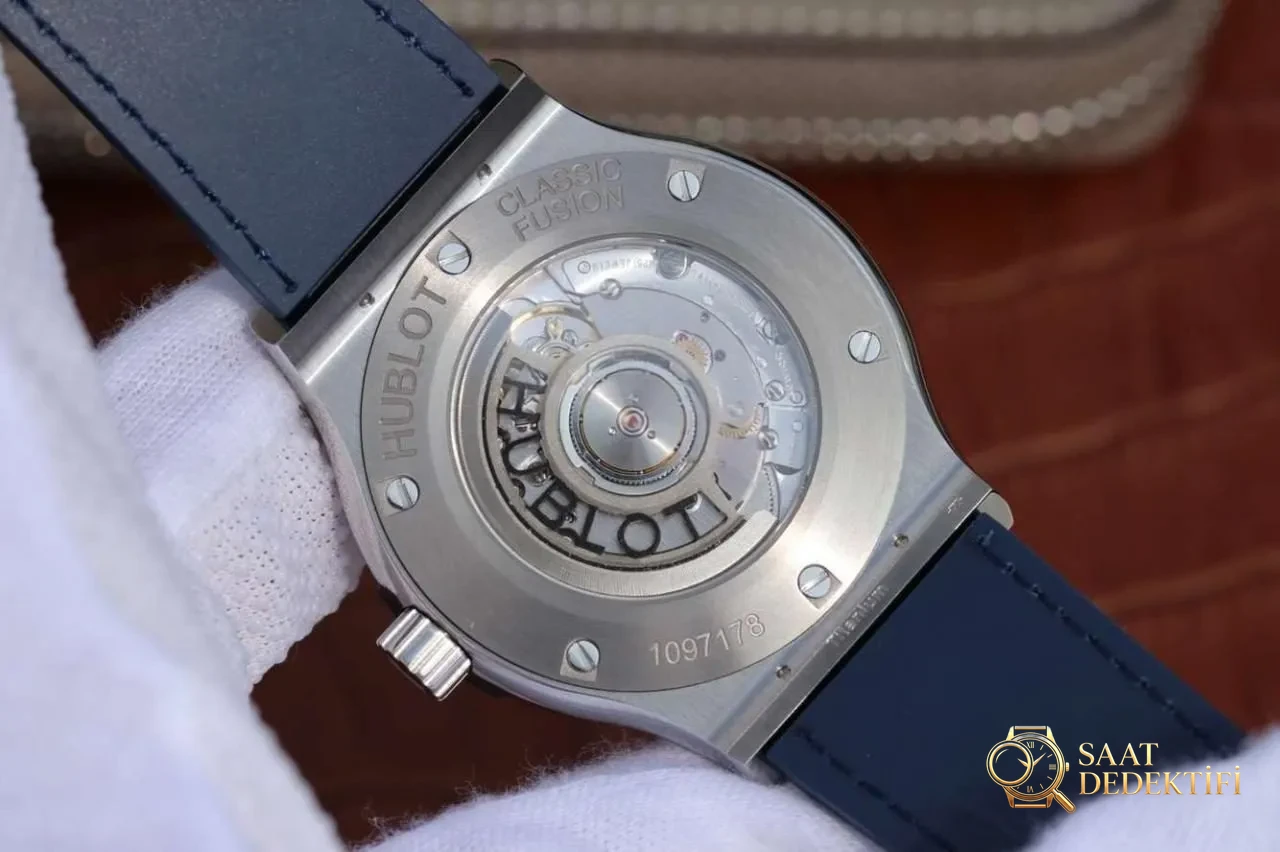
The mechanism structure of an automatic mechanical watch and a manually wound mechanical watch are different. Besides having an extra automatic rotor, the three most common automatic setups are: dual-steer design, magic lever design, and pawl design. However, the working principle of the mechanical automatic installation system is of one type: The movement of the user's arm is used; Thanks to gravity, the weight (metal rotor) in the automatic system is released, and the continuous rotation of the metal rotor activates the arms and gears in the system and sets up the mainspring.
Additionally, the structure of the mainspring is different. Common mechanical watches have a main mainspring and a auxiliary mainspring. The main mainspring is used to store energy, and the auxiliary mainspring is used to stabilize the mainspring. When the energy stored by the main mainspring is too much, some of the energy is transferred to the auxiliary mainspring; Meanwhile, the auxiliary mainspring contracts and slides on the inner wall of the mainspring box, thus allowing the main mainspring to discharge excess energy. Just like if the water in the dam increases too much and exceeds the warning level, the dam opens its gates and releases the water. Thanks to this overload protection mechanism, the watch can be wound continuously.
There is also a little information: The fuller the mainspring of the watch is wound, the higher the oscillation amplitude of the balance wheel and the better the operating performance. Therefore, an automatic winding watch is intended to ensure that your watch remains almost fully wound during daily use and that the operating precision of the mechanism reaches the highest level. Otherwise, it does not mean that an automatic watch can never be wound manually.
However, the winding and mainspring parts of an automatic watch may also be damaged. For example, shaking the watch hard or winding it too quickly can accelerate wear or even lead to direct breakage of the part.
Dial and Hand Details
Whether the movement is large or not, it is best to pull the crown at regular intervals to adjust the hour and minute hands and wind the watch manually. Thus, on the one hand, the oil lubrication of each part in the adjustment gear system is activated and improved; On the other hand, especially for screw-lock crowns, if they are not opened frequently, they can easily get "stuck" after a long time. This is caused by things like sweat, and even if you want to open it at that point, you can't. I'm sure many watch friends have experienced this.
Therefore, when the automatic mechanical watch stops, you can ensure the normal operation of the mechanism by first winding it manually, and then rely on the automatic winding mechanism to top up the energy and keep the mainspring in the best condition.



Saat Dedektifi Expert Score
Model: Otomatik Mekanik Saati · Standart Seri CloneUser Rating
18 people rated · Saat Dedektifi Verified Score
Rate this model:
Conclusion & Detective Verdict
As demonstrated in our technical review of the Otomatik Mekanik Saati model; the optical tolerances of the case, dial typography, and stable operating performance of the movement elevate this model to the pinnacle of its category. With its wrist ergonomics, premium material quality, and micron-level finishing precision, it stands as a flawless choice for collectors.
Frequently Asked Questions (FAQ)
Which mechanism is used in the Automatic Mechanical Watch model?
In this model, the model's high stability integrated caliber or Swiss-norm Clone movement is used; Deviation tolerance is in the range of 2-5 seconds per day.
What is the case material and stainless steel quality?
Made from solid 904L/316L stainless steel with high corrosion resistance; It exactly reflects the original feeling of weight and texture.
Is there AR coating on the sapphire glass surface?
Yes. There is a colorless double-sided AR coating on the scratch-resistant sapphire crystal glass surface to prevent glare and reflection.
How is the waterproof performance?
With its seal-tested crown system, it is fully resistant to pressure up to 50-100 meters and daily water contact.
Does Saat Dedektifi have expertise assurance?
All technical controls, timegrapher measurements and case tolerances received full marks from Saat Detective expertise standards.