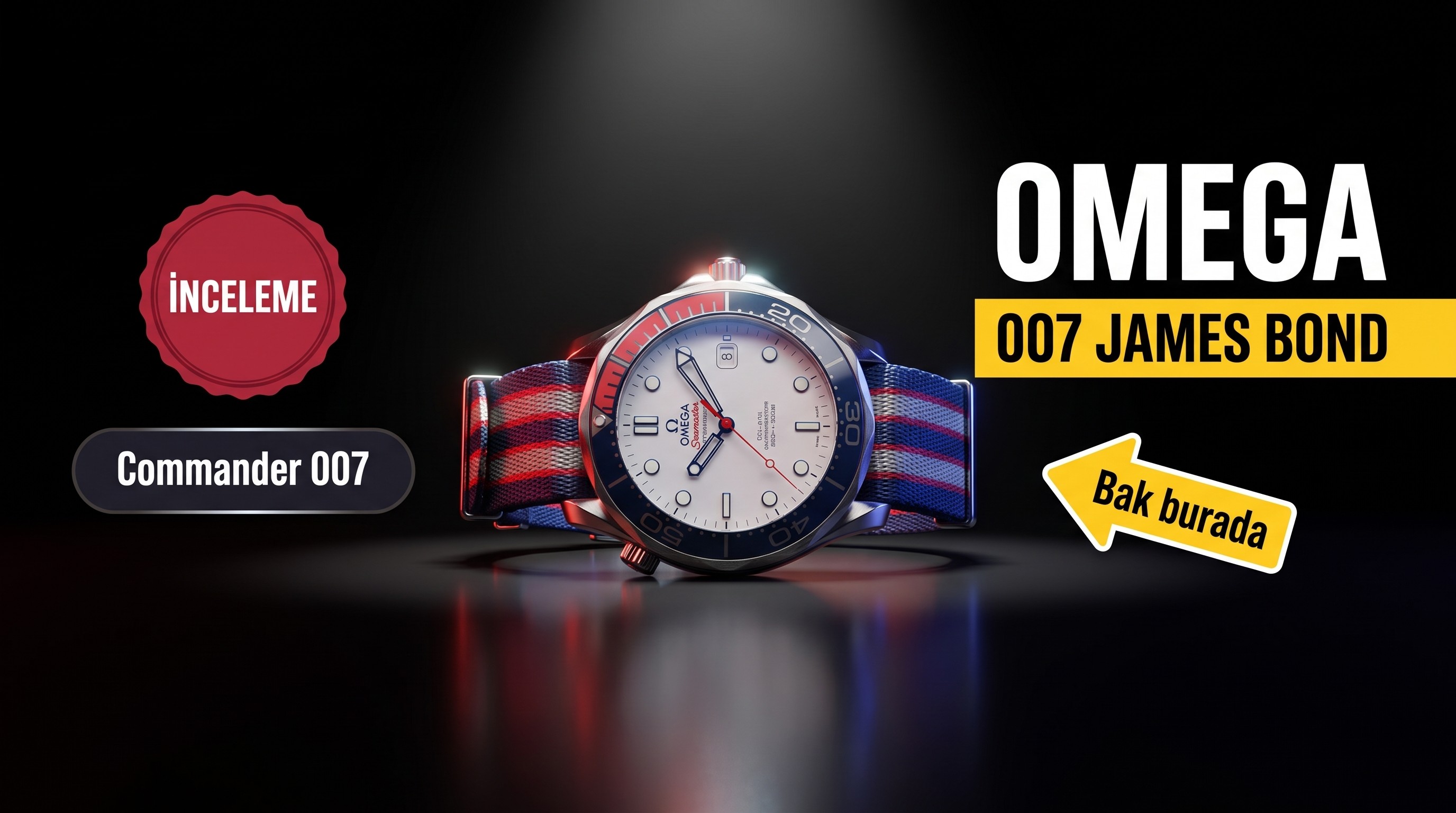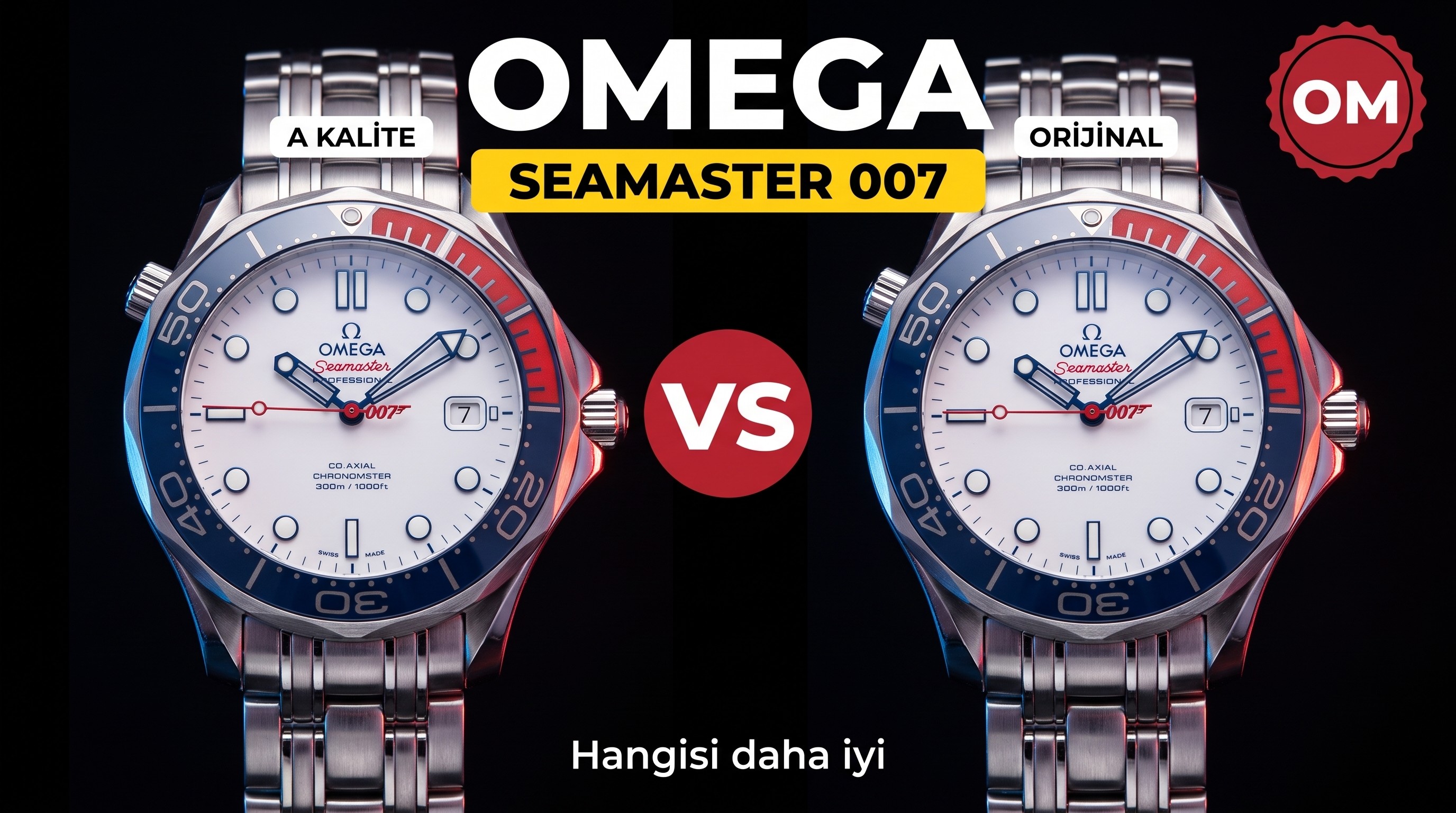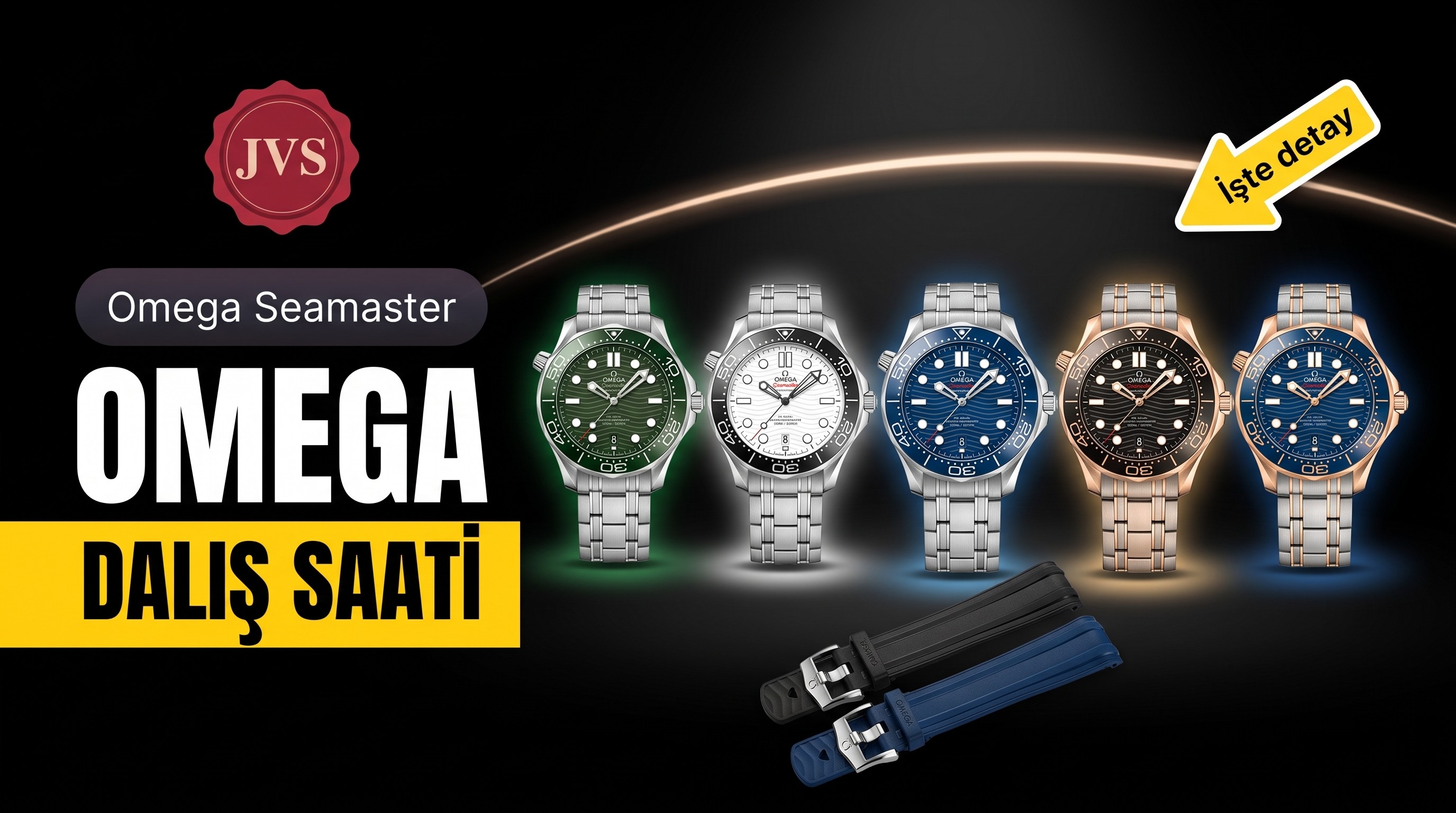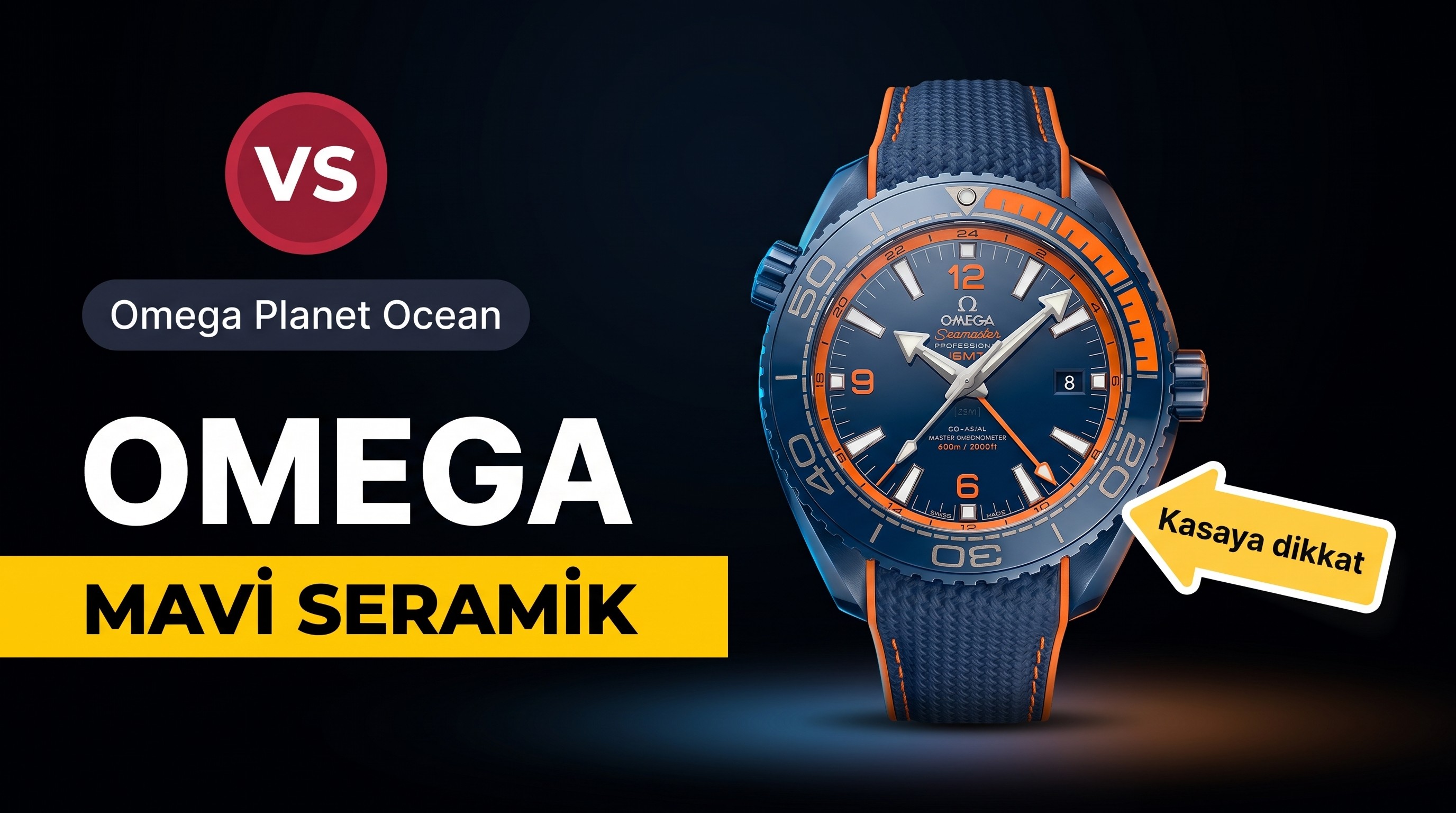

New Omega Seamaster Diver 300m Co-Axial Master Chronometer Review
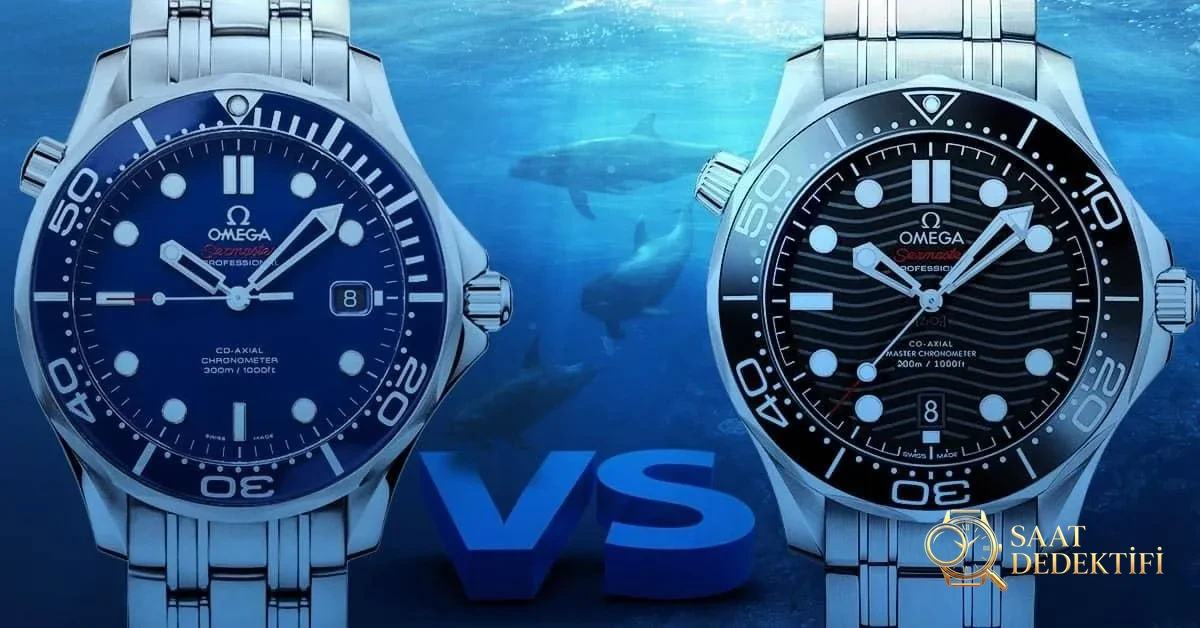
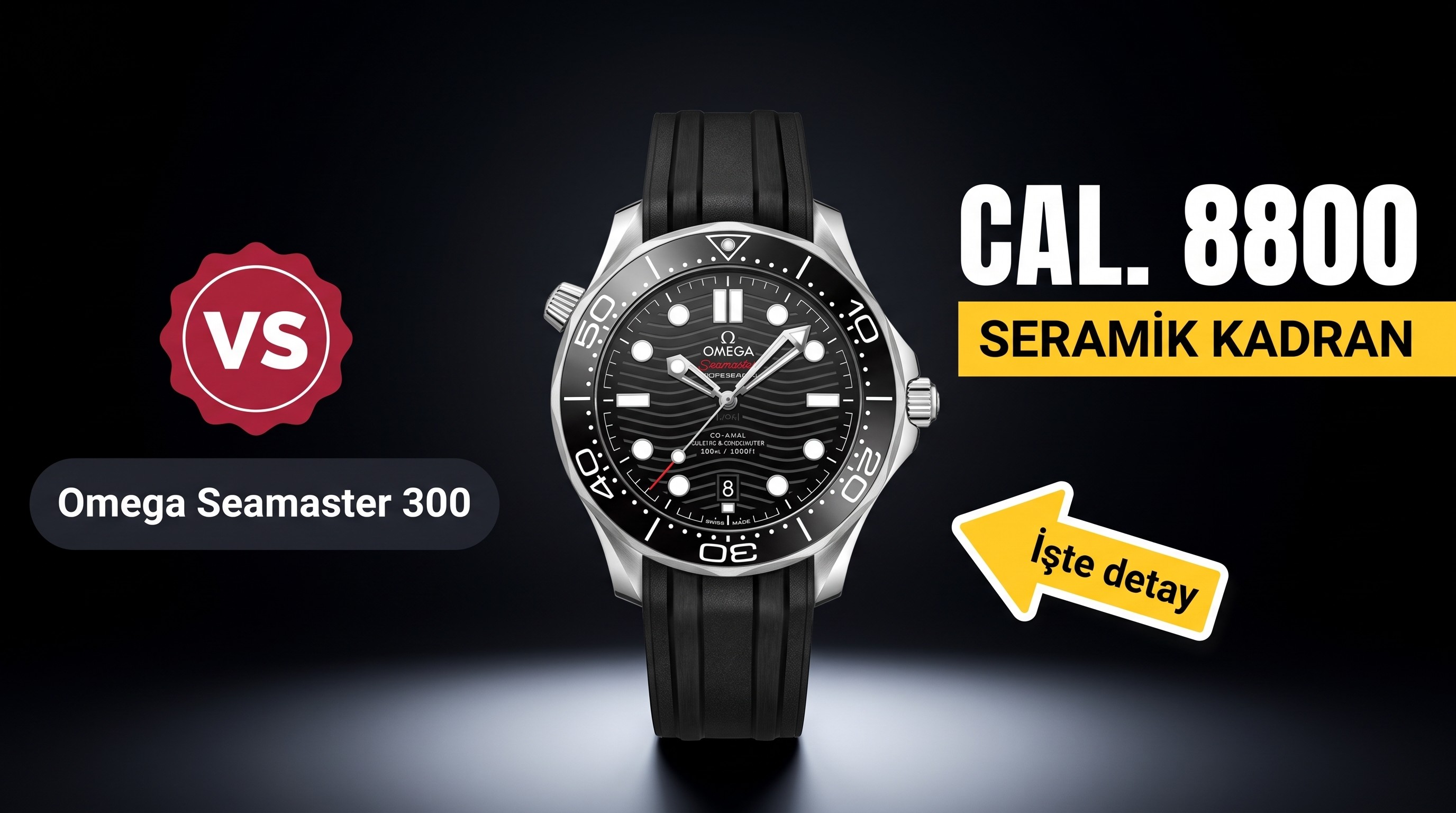
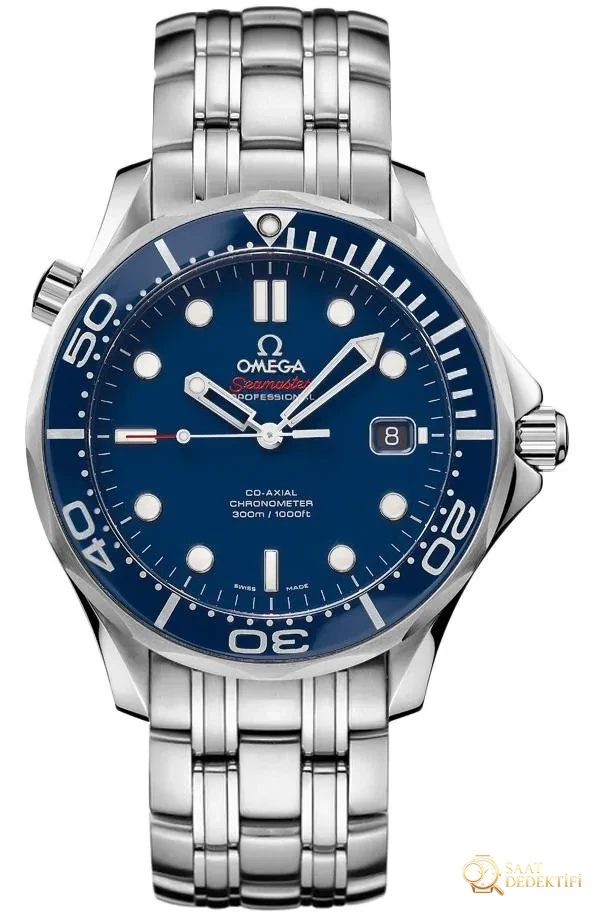
The Omega Seamaster Diver 300M model is produced by leading Super Clone manufacturer workshops with a high-tech ceramic case, 41 mm diameter and high-precision automatic Super Clone movement architecture. It is among the most successful 1:1 super clone watch reviews on the market, with its sapphire crystal AR coating glass, original case tolerances and detailed workmanship.
New Omega Seamaster Diver 300m Co-Axial Master Chronometer Review
What are the differences between the new Omega Seamaster Diver 300m Co-Axial MASTER CHRONOMETER and previous versions that do not carry the title of Master Chronometer?
For starters, this model has a transparent case back that allows you to see the movement. A feature that enthusiasts and collectors love.
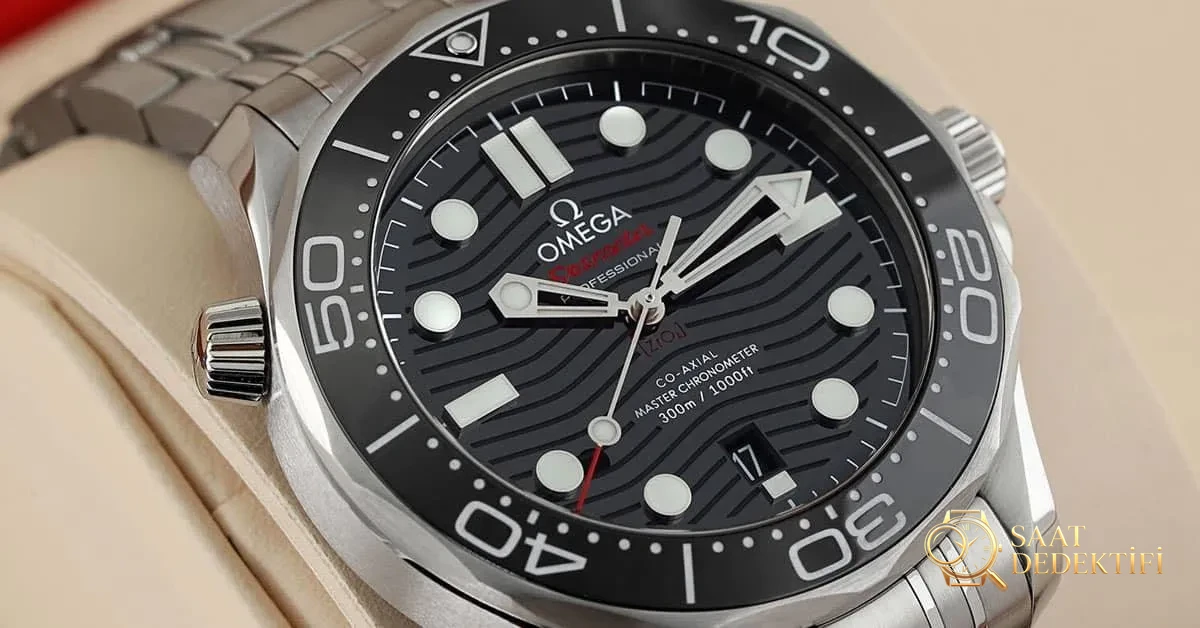
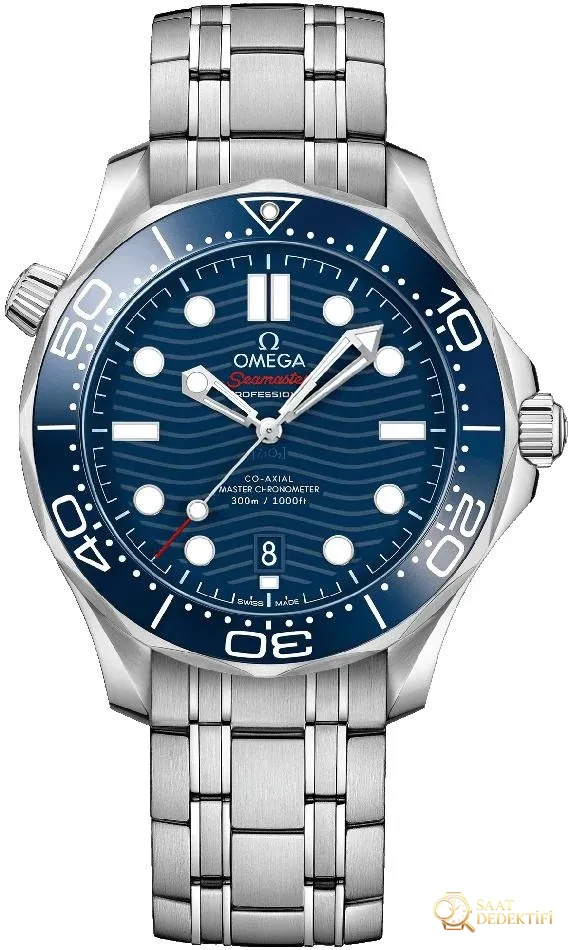
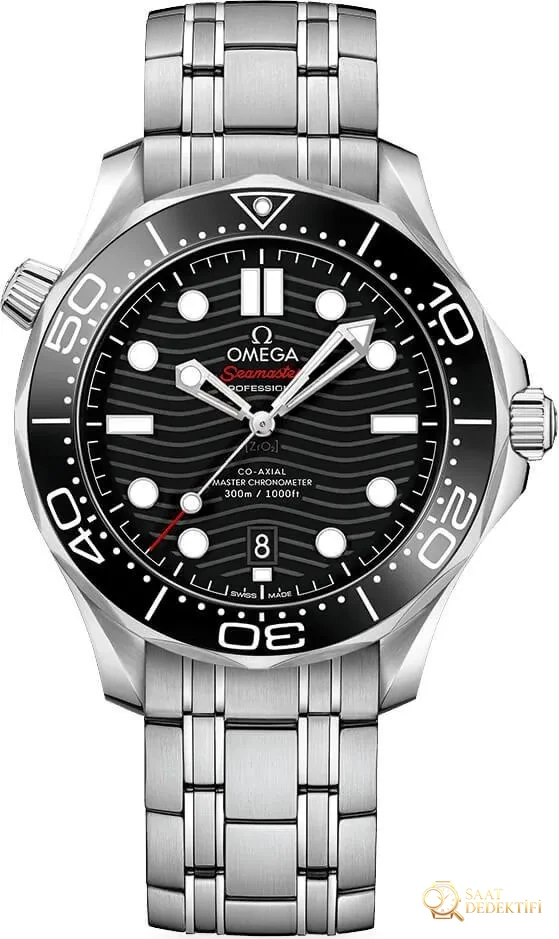
From the outside, you can see the new and eye-catching wavy pattern on the dial, reminiscent of the Seamaster watch featured in the 1995 James Bond movie 'Goldeneye'. And let's not forget the 42 mm case size, which is slightly larger than the previous 41 mm Seamaster.
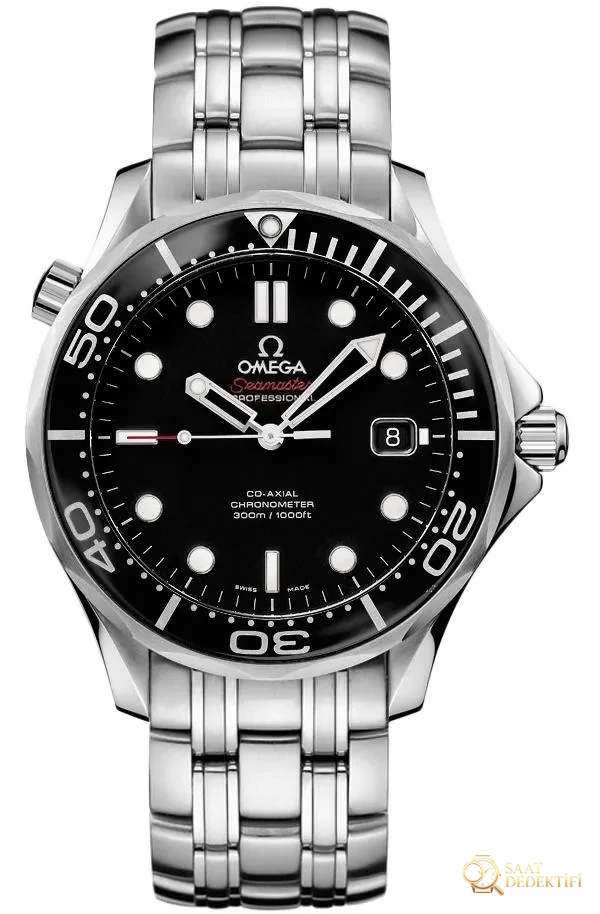
When I hold them both in my hand, I can say that they weigh almost the same. There are some similarities in terms of appearance, but there are also some pretty striking differences between these two watches.
Let's look at some of the things that make this new 2018 Seamaster 300m different from its predecessor.
Let's Start with the Bezel
The bezel has been redesigned with a thinner profile; This isn't the easiest to grasp for some, but to compensate the bezel has a much smoother movement; It takes much less effort to turn it, and it doesn't make as loud a clicking sound when turned. The bezel is made of ceramic, which does not fade when exposed to UV rays and is extremely resistant to scratches, unlike non-ceramic bezels. This bezel may look as good 20 years from now as it does today. The numerals and track of the bezel are made of white enamel, which is a durable material and allows it to retain its bright white color for longer. While the triangle at the "initial mark" of the bezel was made as a solid triangle that was laser engraved in the previous model, it is now outlined with white enamel. The lume dot at the center of this outlined triangle is slightly smaller than before, and the numerals on the bezel are slightly larger. Because they are made of glossy white enamel, they are now more visible in low light conditions.
Let's Compare the Case with the Previous Seamaster 300m
The case size is slightly larger at 42 mm; This is an increase of just 1mm over the previous version. This is of course measured without taking into account the crown, winding guards or helium release valve. With a thickness of 13.7 mm, the new Seamaster 210 model is less than 1 mm thicker than its predecessor, the 212. The helium release valve has been completely redesigned. It protrudes further than the previous model, making it easier to grip, and the newly designed helium release valve has been enlarged at the tip to make it look the same size as the old model. It's worth noting that this new helium release valve has been designed and tested for 300m water resistance in both the closed and open positions, according to Jean-Claude Monachon, Omega's Head of Product Development and Vice President. The case back is no longer extended as on the previous Seamaster 300m; it's now flat, which gives the case's profile a less pebble-like shape. The case back is one of the most exciting new features. Yes, we finally have a reliable Seamaster with a transparent sapphire case back.
Time to Talk About the Dial
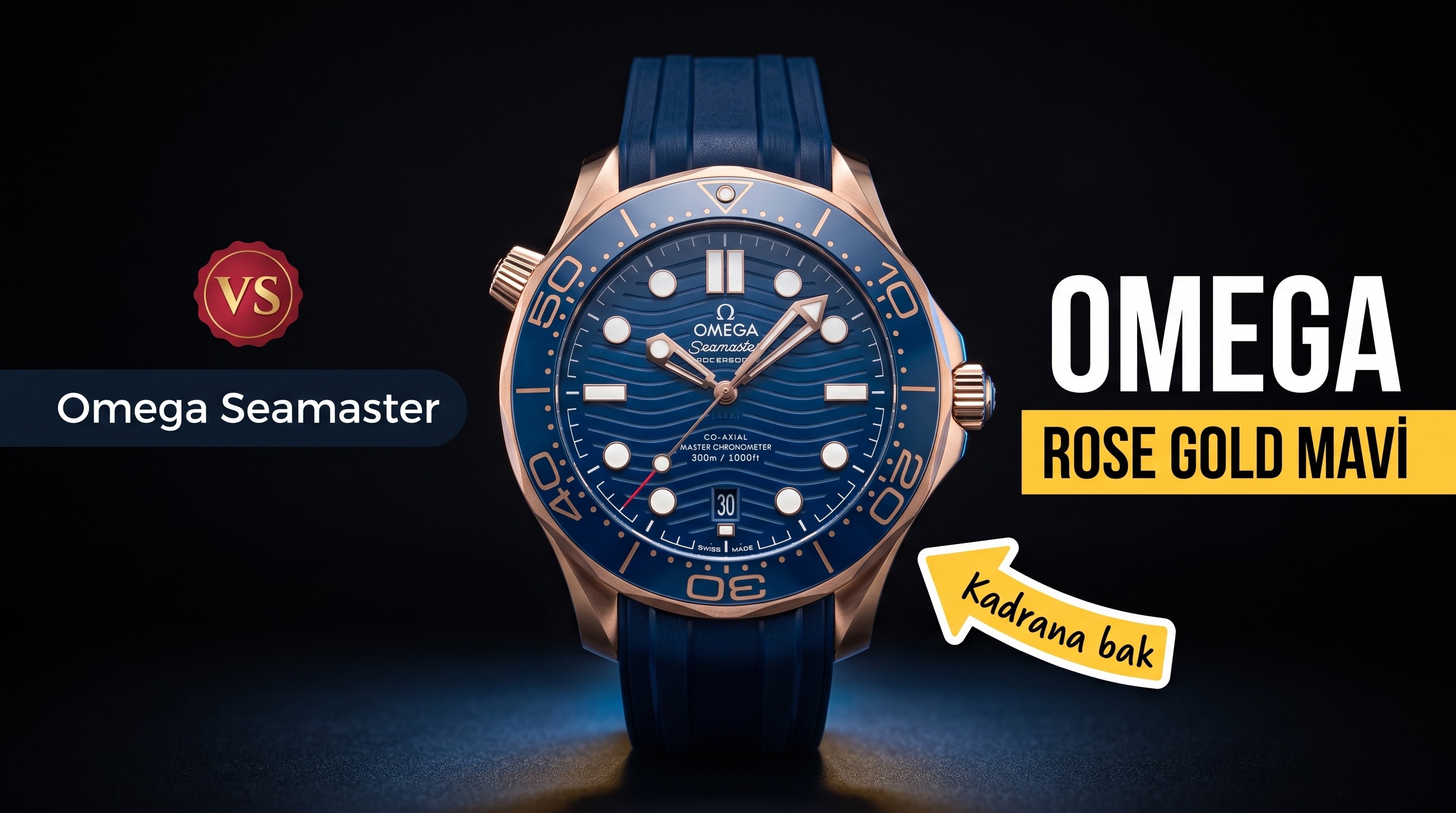
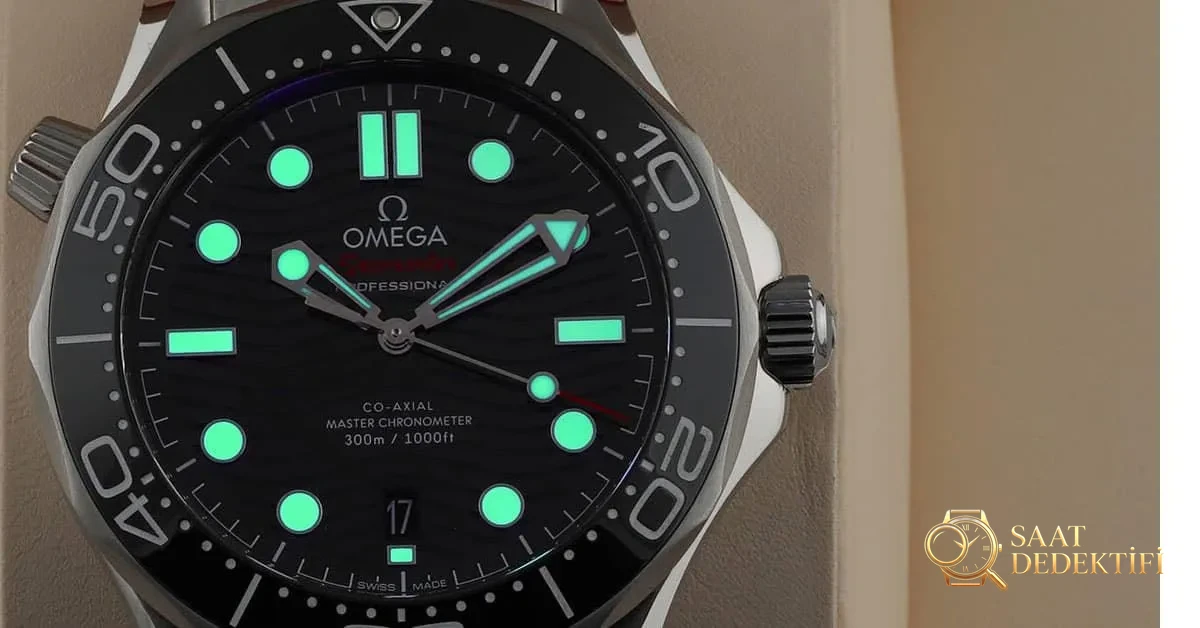
Seen between 2012 – 2017, the once-shiny classic dial of the Seamaster 300m is now history, replaced by an etched wavy pattern that adds more texture and depth to the design. This wave pattern was commonly seen on Seamasters from 1993-2011. You might look at it and think of the old Seamaster model #2531, or even the Seamaster 2541 used in the James Bond movie "Goldeneye" starring Pierce Brosnan. The date window has been moved from position 3 to position 9, resulting in the 6 hour mark being shortened, and the 3 hour mark now being the same length as the 9 hour mark; Thus, the dial design has become perfectly symmetrical. Another practical change in the date window is that the numbers are now bright white and therefore more legible than the chrome work on the old model. The minute track features a new, segmented semi-rail design divided into 5-second intervals. Blue luminescent lume material is used for the index and dot hour markers and the tip of the hour hand; A second green luminescent color was used for the bezel point and the tip of the minute hand. ZrO2 etched into the center of the dial indicates that it is a Zirconium Dioxide ceramic dial.
There are many new design variations and an improved helium release valve, crown and crown guard design, but that's not what you came here for, right? Let's lift that lid and talk about what's going on inside the watch! Say what? By the way, you can examine all the details of the model in the technical photos below.
Watch Video
To understand the differences between this new series and the automatic movement Omega Master Co-Axial caliber 8800, we must first look at the self-winding movement that powered its predecessor, namely the Omega Caliber 2500 d. The movement of the previous Seamaster brought innovation to the Omega Seamaster 300m collection. This was the introduction of Omega's patented Co-Axial escapement. Fortunately, this is a feature that stands out in the new 2018 model as well.
What makes a Master Chronometer different from a COSC Certified Chronometer?
The latest addition to the Seamaster Diver 300m family is the highly coveted Master Chronometer title. What exactly does this mean for your Seamaster watch? For starters: too high precision and the number one enemy of all mechanical watches; Excellent resistance to electromagnetic frequencies (EMF).
See how Master Chronometer is revolutionizing Omega watches by using the button below.
Watch Video
You've probably seen the Chronometer title on various luxury watches before. This designation was created so that marine navigators would know that their watches meet the precision required to navigate the vast oceans and time their maneuvers perfectly.
Of course, this was long before GPS was invented; but to briefly summarize, an independent official Swiss chronometer laboratory called COSC tests the movement and if the movement passes all its requirements, COSC issues the so-called 'COSC certificate'. Once the watch mechanism receives this certification, it can be called a COSC certified Chronometer. To pass all tests, the clock mechanism must demonstrate an accuracy of at least -4/+6 seconds per day.
The COSC Chronometer designation was once the highest designation an analog watch could receive. Master Chronometer took the test a few steps further. Omega not only sends all its movements (also known as calibers) to the COSC facility for testing, but after receiving the COSC certificate they send them to another independent laboratory, namely METAS (a Swiss Metrology laboratory). This second laboratory not only tests for even greater accuracy than a COSC Chronometer, but also performs all kinds of other tests. See the list below.
Tests carried out by METAS:
METAS tests the movement for its resistance to electromagnetic interference, exposing the watch to magnetic fields with a magnetic flux density of up to 15,000 gauss, or 1.5 Tesla, in 2 different positions. He then places the caliber inside the watch case and retests it all for magnetic fields of 15,000 gauss. They then expose the watch to the same intensity of electromagnetism for a full 24 hours and ensure, through daily testing, that the daily deviation in sensitivity remains within their target specifications. They then test the watch for 96 hours, ensuring that it maintains its accuracy even when changing positions and subjecting it to environmental and temperature fluctuations. Then they test the watch's power reserve to make sure it meets the advertised value. They then place the watch in 6 different positions to test for any accuracy deviations that can occur when a watch is held at certain angles, which can create extra friction on the caliber. Then they test for any deviations when the power reserve is between one-third full and full. Finally, they test the water resistance to make sure it meets the advertised value.
Once all this METAS testing is completed, the watch now has two pedigrees; One is the Chronometer title from COSC, and the other is the title from METAS and is called MASTER CHRONOMETER. As you can see, Omega takes its job very seriously.
Their mission is clearly to offer diving professionals the best dive watch of 2018. These improvements to the Seamaster definitely put them one step ahead. Omega has also now applied the Master Chronometer title to its Seamaster Chronographs. Things keep getting better!
Click the button below to see specially discounted prices.
Browse the Entire Collection
Browse the Entire Collection

Saat Dedektifi Expert Score
Model: Omega Seamaster Diver · Standart Seri CloneUser Rating
28 people rated · Saat Dedektifi Verified Score
Rate this model:
Conclusion & Detective Verdict
As seen in our technical review of the Omega Seamaster Diver model; The optical tolerances of the case, the dial typography and the stable operating character of the mechanism take the model to the top level of its segment. It is a perfect choice for collectors with its wrist ergonomics, material quality and micron level finishing success.
Frequently Asked Questions (FAQ)
Which mechanism is used in the Omega Seamaster Diver model?
In this model, the model's high stability integrated caliber or Swiss-norm Clone movement is used; Deviation tolerance is in the range of 2-5 seconds per day.
What is the case material and stainless steel quality?
Made from solid 904L/316L stainless steel with high corrosion resistance; It exactly reflects the original feeling of weight and texture.
Is there AR coating on the sapphire glass surface?
Yes. There is a colorless double-sided AR coating on the scratch-resistant sapphire crystal glass surface to prevent glare and reflection.
How is the waterproof performance?
With its seal-tested crown system, it is fully resistant to pressure up to 50-100 meters and daily water contact.
Does Saat Dedektifi have expertise assurance?
All technical controls, timegrapher measurements and case tolerances received full marks from Saat Detective expertise standards.