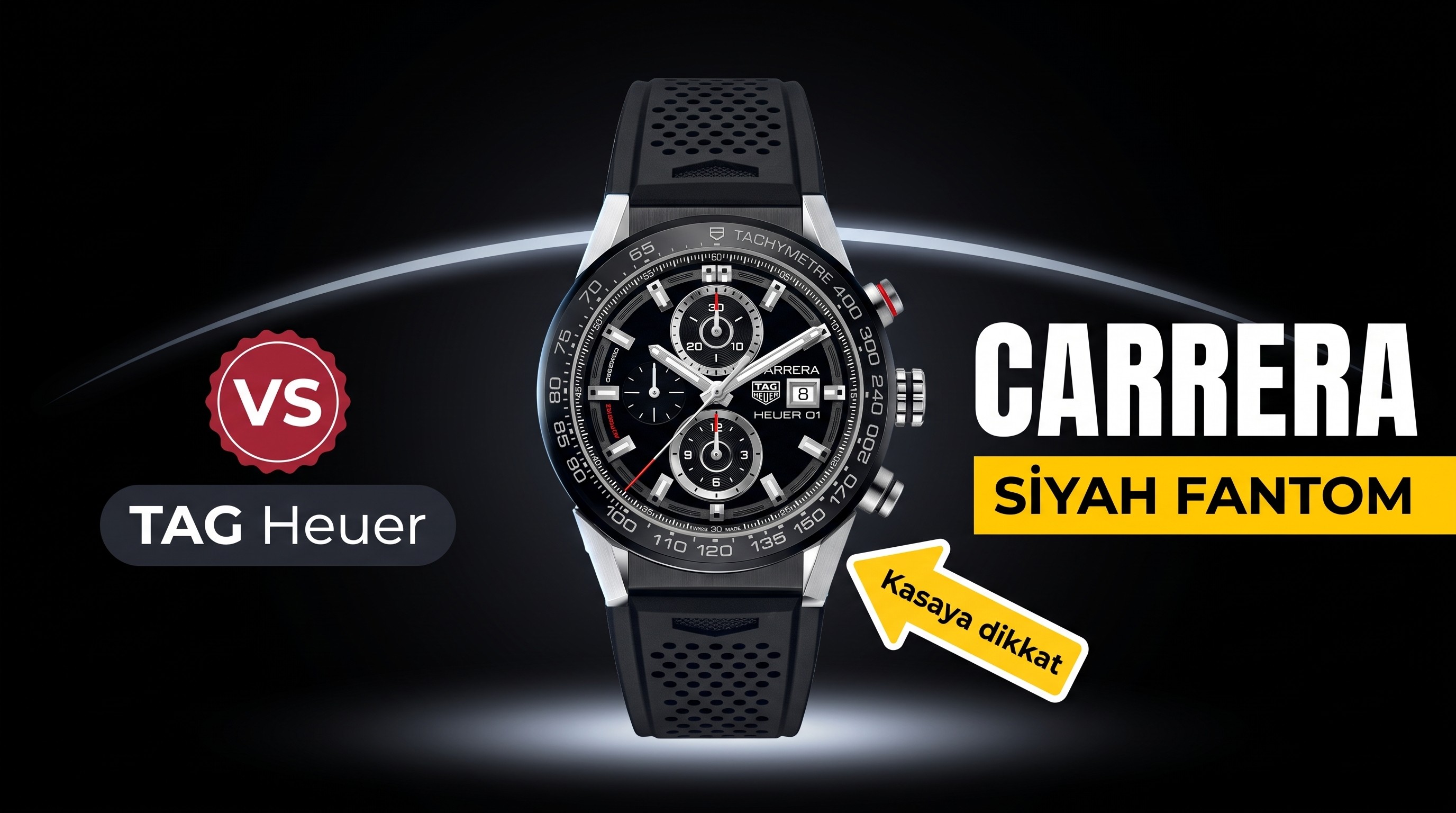

TAG Heuer Carrera 1887 Review
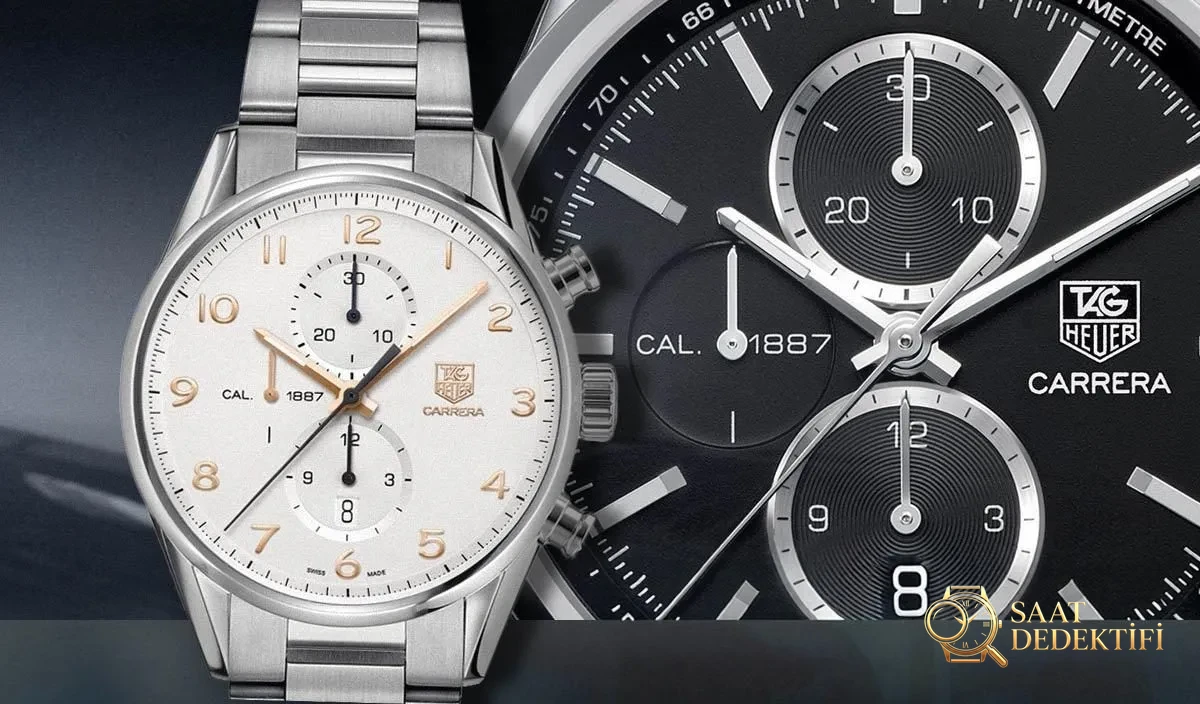
The TAG Heuer Carrera 1887 model is produced by the leading Super Clone manufacturer workshops with an 18K thick gold-plated case, 41 mm diameter and a high-precision automatic Super Clone movement architecture. It is among the most successful 1:1 super clone watch reviews on the market, with its sapphire crystal AR coating glass, original case tolerances and detailed workmanship.
TAG Heuer Carrera 1887 Review
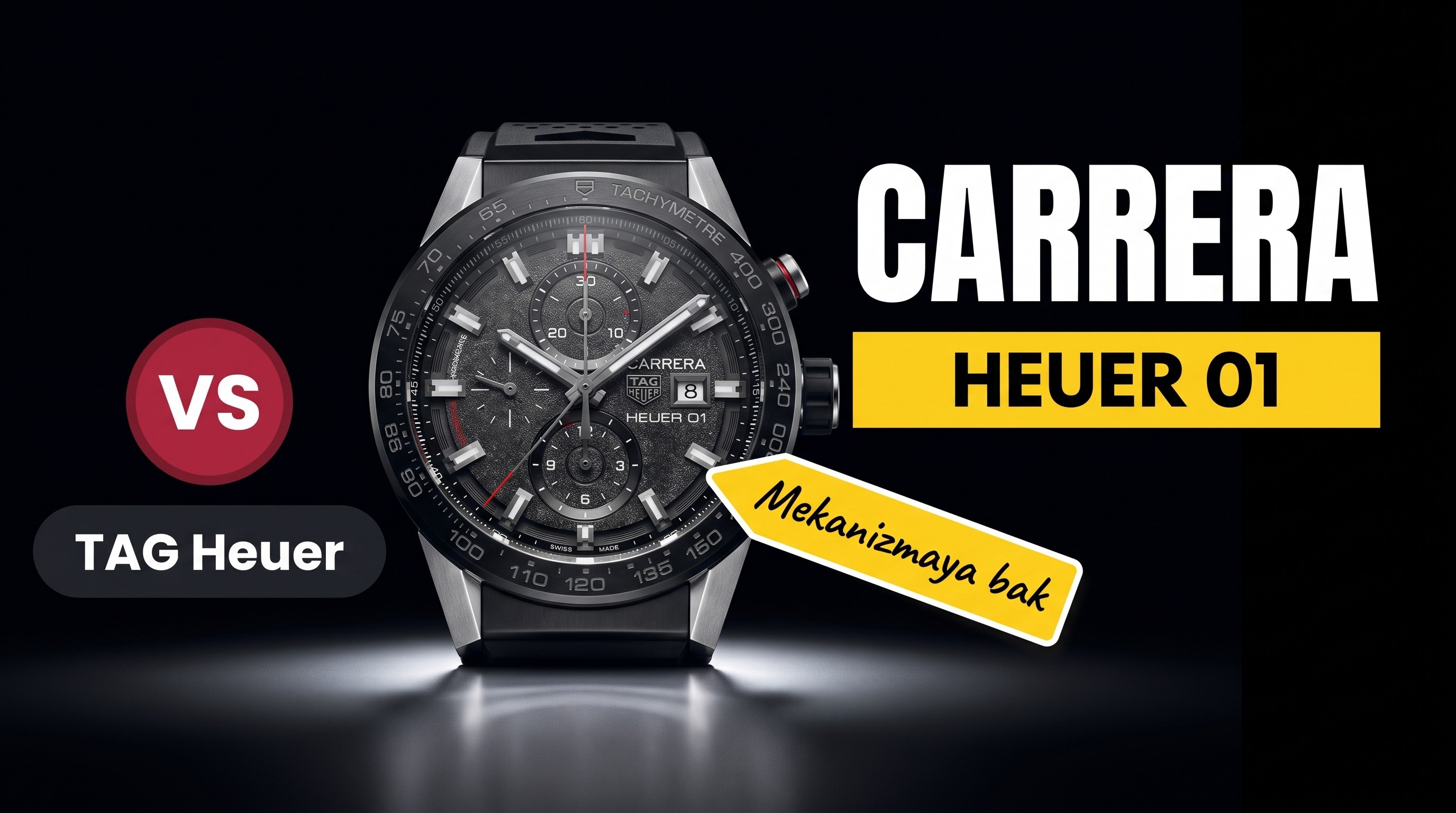
When people look to buy a new TAG Heuer Carrera watch, they often face a bit of a glut of choice. There are many series on the market that include many Carrera watches with very different looks. While each of the different Carrera collections is special in its own way, some have greater historical significance. We have covered quite a few TAG Carrera models in the past on our blog; Lastly, we talked about the new TAG Heuer Carrera Heuer 01 Skeleton watch, which uses the new Heuer 01 movement. But let's take this series back in time a little; Back to the period when TAG made headlines with the first movement it produced in-house... that movement was TAG Heuer Caliber 1887. Let's take a look at what happened in 1887.
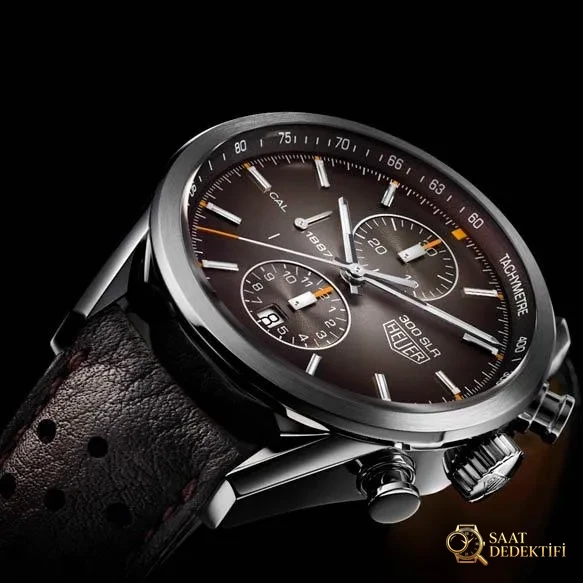
TAG Heuer Carrera Caliber 1887 41 mm
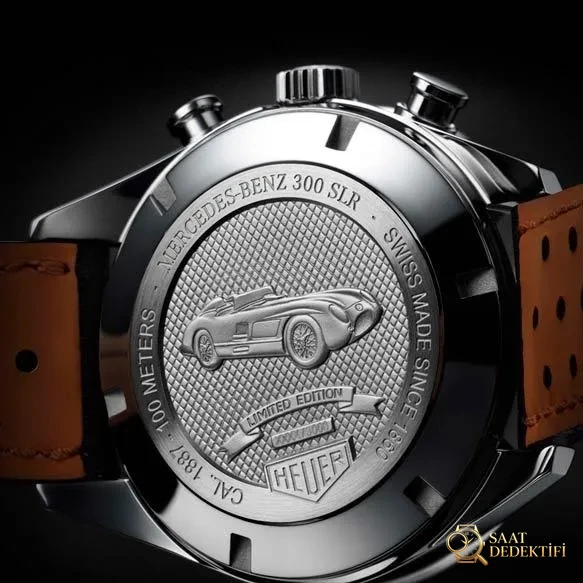
The 41mm Carrera 1887 brought with it a very nice limited and numbered model: the TAG Heuer 41mm Carrera Mercedes SLR 300 (Model No: car2112.fc6267, shown below).
TAG Heuer Carrera Caliber 1887 43 mm
As the trend towards larger cases in Carrera watches grows, so do the watches themselves. TAG Heuer's design team also caught the increasing demand for rose gold in watchmaking and decorated most of the Carrera models with rose gold details, giving each of them a very stylish look.
Although some models of the Carrera caliber 1887 Automatic Chronograph 43 mm were later discontinued to make way for new models, TAG Heuer fans around the world still have great love for the Caliber 1887, the first mechanical movement produced by TAG in-house.
The TAG Heuer Carrera 1887 Chronograph uses a movement that many would consider historic. This high vibration movement with 39 jewels, test results C.O.S.C. It offers excellent precision that rivals certified chronometers. So why didn't they take another step and officially become COSC certified? TAG Heuer deemed this additional expense not worth the trouble. This way they were able to keep the 1887 at a more competitive price, still have all the benefits of a COSC certified chronometer and remain accessible to more people. After all, TAG has equipped many of its chronographs with the 1887 movement over the years.
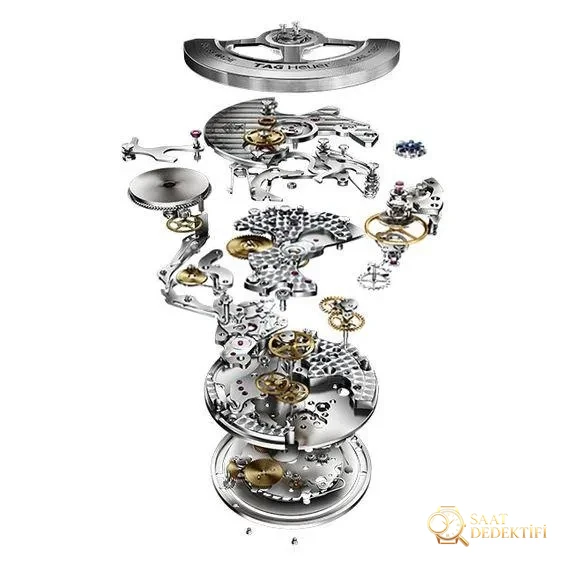
The beauty of this movement was not limited to chronometric precision; TAG Heuer used Côtes de Genève craftsmanship on the movement itself, making it as eye-catching as the watches themselves when viewed through the transparent caseback (which is found on most models).
A while ago, there was quite a debate in the watchmaking community as to whether the caliber 1887 was actually produced 100% in-house. The discussion started when a post on WatchUSeek (a discussion forum for watch enthusiasts) noted that this movement is actually almost identical to a Seiko caliber. Another website, Caliber11 (a TAG Heuer fan site), published an article addressing this concern and clarifying the full details of the claim. Among those commenting on this was a very unexpected person: former CEO of TAG Heuer (now CEO of BVLGARI) Jean-Christophe Babin himself. It is always more believable to hear information from an insider. In his comment, Babin writes that the Seiko patent dated 1997-1999 was given to TAG for use in its own movements.
Based on this foundation, TAG Heuer completely redesigned and developed all the main components and manufactured each one in Switzerland; either by TAG Heuer at its subsidiary Cortech factory or by a leading Swiss supplier such as Nivarox. The 320-piece caliber is then completely assembled at TAG Heuer's workshop in La Chaux-de-Fonds. The dimensions of the mechanism are quite different from the original SII (Seiko Instruments Inc) patent. Indeed, nineteen of its twenty component suppliers are Swiss, and its only connection with SII is that it still supplies some “bolt-on” components such as levers, pins and screws; but not any important piece of watchmaking.
This is not to say that there are no movement manufacturers using non-Swiss components. Many use it; but all the elements that make this caliber Swiss Made are produced in Switzerland, redesigned by TAG and assembled 100% by TAG Heuer.
Saat Dedektifi Expert Score
Model: Tag Heuer Carrera · Standart Seri CloneUser Rating
62 people rated · Saat Dedektifi Verified Score
Rate this model:
Conclusion & Detective Verdict
As demonstrated in our technical review of the Tag Heuer Carrera model; the optical tolerances of the case, dial typography, and stable operating performance of the movement elevate this model to the pinnacle of its category. With its wrist ergonomics, premium material quality, and micron-level finishing precision, it stands as a flawless choice for collectors.
Frequently Asked Questions (FAQ)
Which mechanism is used in the Tag Heuer Carrera model?
In this model, the model's high stability integrated caliber or Swiss-norm Clone movement is used; Deviation tolerance is in the range of 2-5 seconds per day.
What is the case material and stainless steel quality?
Made from solid 904L/316L stainless steel with high corrosion resistance; It exactly reflects the original feeling of weight and texture.
Is there AR coating on the sapphire glass surface?
Yes. There is a colorless double-sided AR coating on the scratch-resistant sapphire crystal glass surface to prevent glare and reflection.
How is the waterproof performance?
With its seal-tested crown system, it is fully resistant to pressure up to 50-100 meters and daily water contact.
Does Saat Dedektifi have expertise assurance?
All technical controls, timegrapher measurements and case tolerances received full marks from Saat Detective expertise standards.