
What Do Stones in a Watch Do?
Read our eye-opening review of mechanical watches; Let us explain for you what the stones in watches are for and how watchmakers use stones in this mysterious, centuries-old craft of watchmaking.
Have you ever asked yourself
"What do the stones in a watch do?"
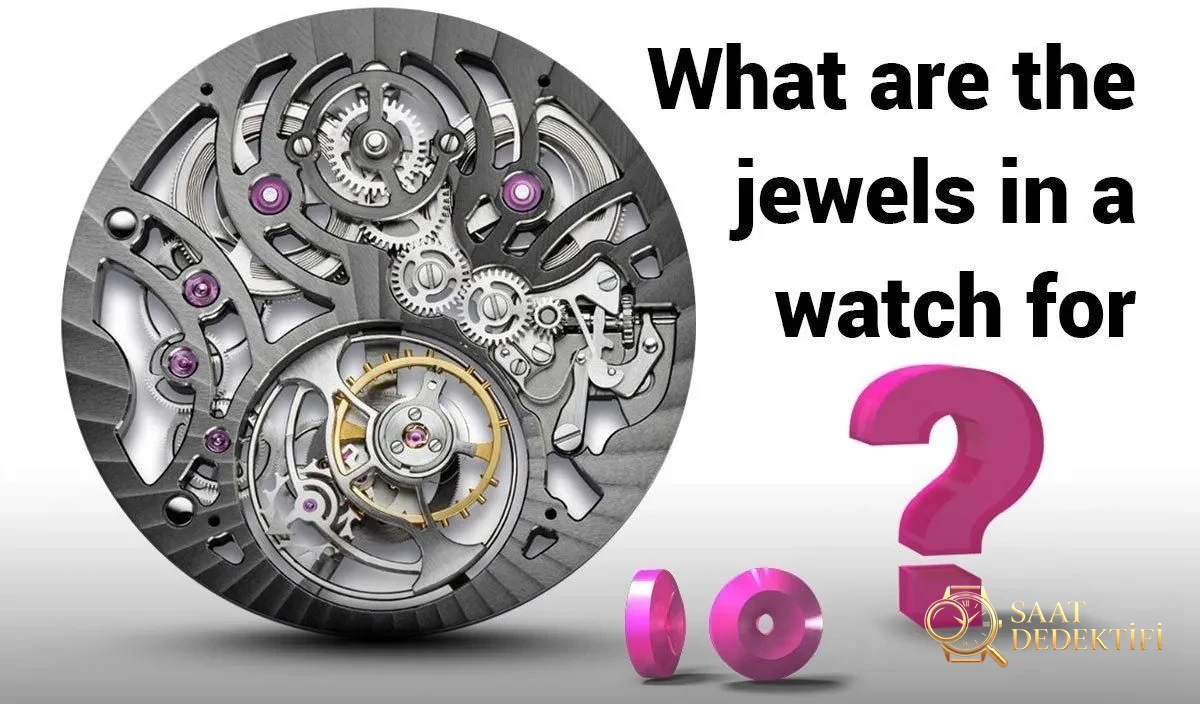
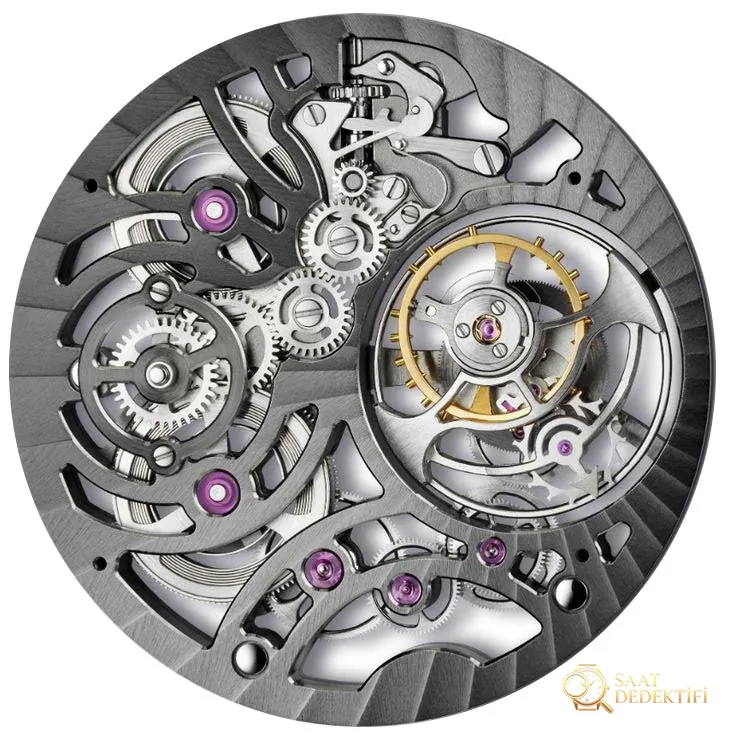
Mechanical watches use spring-loaded mechanisms and therefore do not need batteries. So what are watch stones and what exactly do stones do in a watch? Like any mechanical device, there are gears that must move or rotate. Clocks are no different and use beds; These bearings, found in upper segment automatic and hand-wound watches, are made of stones. These gemstones are smooth and do not allow much friction; That's why they are used to facilitate the movement of metal and precious metal gears.
So yes, there are true gems in your watch's movement, and usually there are no shortage of them!
In the past, watchmakers used natural, original rubies to make these bearings; More recently, they have begun to favor lab-grown rubies (also known as synthetic rubies) or sapphires. The purpose of these stones is to serve as a bearing for various parts of the watch, especially parts such as the escape lever and impulse stone, which come into contact with each other and would normally wear out easily.
Watchmakers use several types of stones:
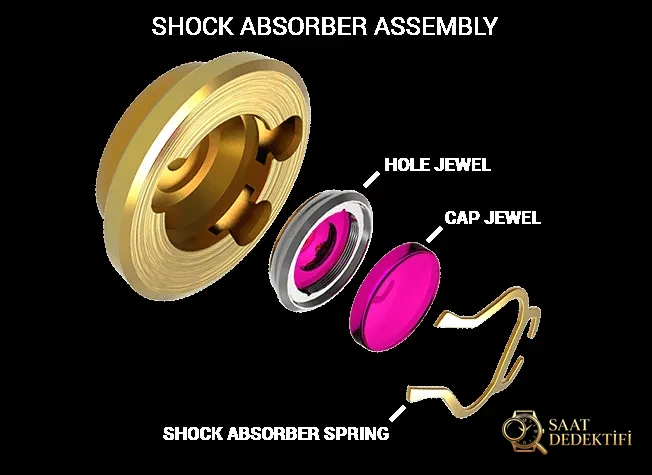
Stones with holes
Capstones
A capstone is a type of stone that has no holes drilled into it and is used to minimize the movement of the balance shaft. Capstones are often used with a pivot stone and feature some form of impact protection, such as a spring, at each end. This protects the watch if it falls or hits something while wearing it.
Pallet Stones
Roller Stones
Roller stone is a type of stone that is used as the connection point between the escape wheel and the pallets and sits inside the pallet fork.
How many stones should there be in an hour?
Most stone watches have approximately 17 stones, used in many regions.
What does 17 stones mean?
A watch with 17 jewels is often called a full jewel watch. This means that the mechanical mechanism uses stone (usually ruby) bearings from the balance wheel to the center wheel pivot.
What does 21 stones in an hour mean?
It resembles a 17 jewel watch with a full crown movement, but with the addition of a few extra capstones used to reduce positional errors. These extra stones are often found in higher quality watches.
Is it better to have more stones in an hour?
First of all, ask yourself "Why are there stones in the clocks?" Ask. Stones are mainly used as bearings in a clock mechanism; It reduces the friction between the mechanical components of the watch, protecting them from wear. A standard mechanical watch without high complications uses approximately 17 jewels, in some cases 21 jewels are used to minimize positional errors as mentioned above.
If the watch has high complications such as a perpetual calendar, chronograph (a watch with a stopwatch function) or tourbillon, more components are needed to add these functions and therefore more bearings are used. You will also find that some ultra-thin watches use a higher number of jewels in their movements. It is not the stones themselves that make the watch better; However, the number of jewels in a watch can indicate how mechanically complex the watch is or, in some cases, how thin it is.
Although it is difficult to keep track of the maximum number of jewels used in a watch, often watches of very high complexity have an inconceivable number of jewels in their movement. For interesting reading, you can check out our article about the World's most complex watch with 242 jewels in its movement. Generally, the more complications there are in the watch, the more jewels you can expect to have in the watch's mechanism, as more bearings will be needed to reduce the friction between the numerous components required to create said complications.
Are there stones in quartz watches?
The truth is that quartz watches have moving parts, just like mechanical watches. However, not all quartz watches use watch stones. Before the 70s, when battery-operated (quartz) watches were introduced with the advent of the Seiko Astron, all watches were mechanical and used approximately five to seven jewels in the watch's caliber.
To learn more about watch terminology, visit our watch terminology page, the world's leading dictionary for understanding watch terms and complications. Or use the search bar to find interesting information about your favorite brand or favorite type of watch.
If you liked this blog post and think others will too, please like and share. Thank you!


Saat Dedektifi Expert Score
Model: Bir Saatteki Taslar · Standart Seri CloneUser Rating
36 people rated · Saat Dedektifi Verified Score
Rate this model:
Conclusion & Detective Verdict
As demonstrated in our technical review of the Bir Saatteki Taslar model; the optical tolerances of the case, dial typography, and stable operating performance of the movement elevate this model to the pinnacle of its category. With its wrist ergonomics, premium material quality, and micron-level finishing precision, it stands as a flawless choice for collectors.
Frequently Asked Questions (FAQ)
Which mechanism is used in the Jewels in a Watch model?
In this model, the model's high stability integrated caliber or Swiss-norm Clone movement is used; Deviation tolerance is in the range of 2-5 seconds per day.
What is the case material and stainless steel quality?
Made from solid 904L/316L stainless steel with high corrosion resistance; It exactly reflects the original feeling of weight and texture.
Is there AR coating on the sapphire glass surface?
Yes. There is a colorless double-sided AR coating on the scratch-resistant sapphire crystal glass surface to prevent glare and reflection.
How is the waterproof performance?
With its seal-tested crown system, it is fully resistant to pressure up to 50-100 meters and daily water contact.
Does Saat Dedektifi have expertise assurance?
All technical controls, timegrapher measurements and case tolerances received full marks from Saat Detective expertise standards.