5 Top Secret Watchmaking Alloys and Golds Patented by Famous Watch Manufacturers
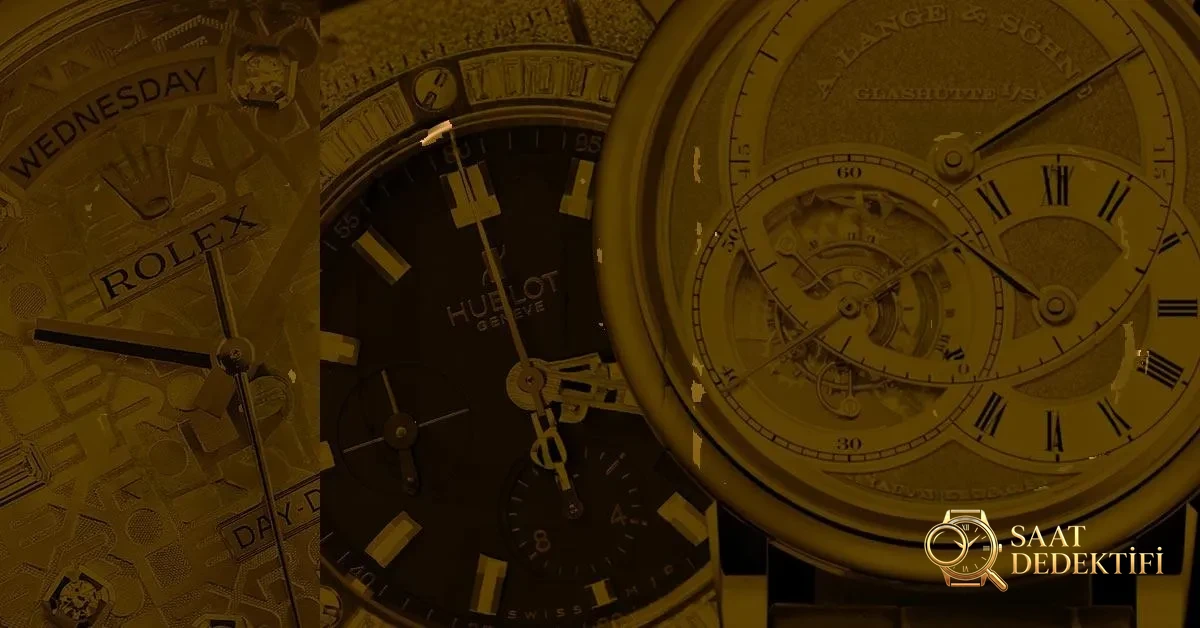
What are the extraordinary types of gold used in the watchmaking industry? Why don't we see each watch manufacturer producing its own unique gold tone?
5 Top Secret Watchmaking Alloys and Gold Patented by Famous Watch Manufacturers
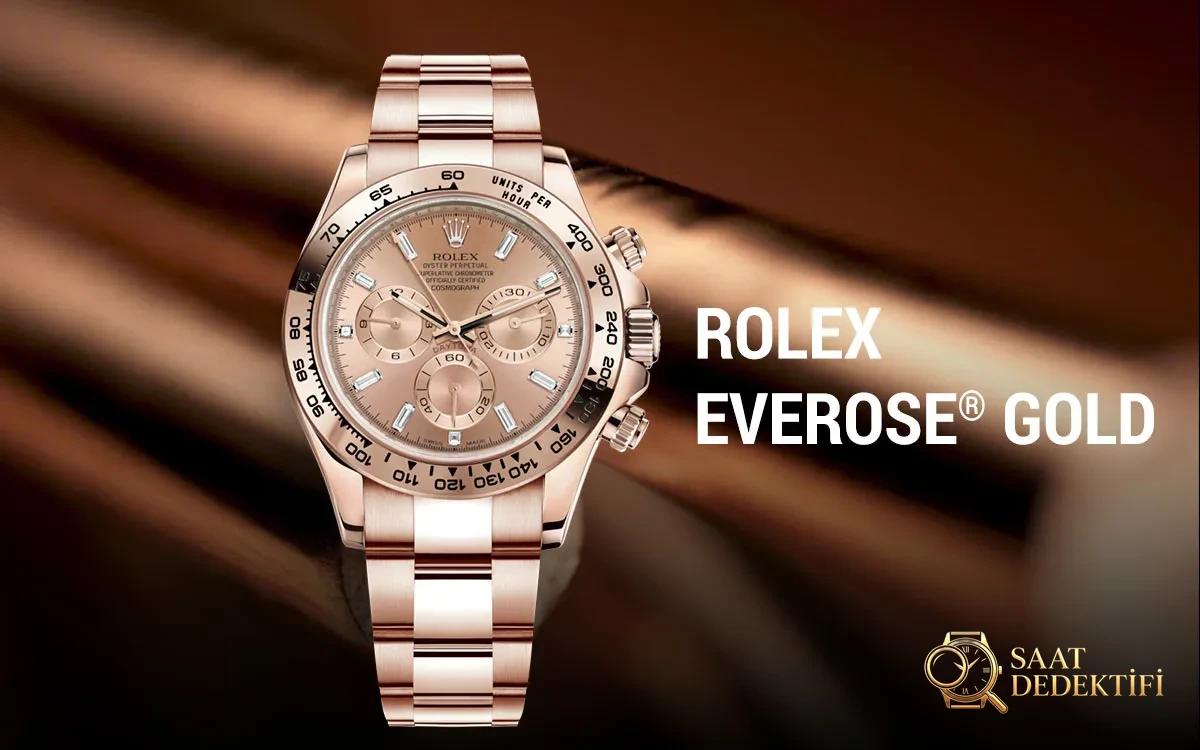
Everose® Gold
What is Everose Gold? Rolex's distinctive rose gold tone
What is Everose Gold? It was 2005 when Rolex decided to get in on the rose gold trend and, using their in-house foundry, they managed to create a patented formula for the special rose gold tone they called Everose®.
One of the unique things about Rolex's gold in general is that they have a top-secret recipe for every precious metal alloy they create. The metal used to increase the redness of gold is copper.
However, copper has certain properties and characteristics that make it difficult for watch manufacturers to use. For example, oxidation and color change. Even exposure of the metal to environmental factors such as salty ocean water and the sun's ultraviolet rays can cause the copper in the metal to react. Sweat can also cause the copper in the metal to react.
This is where Rolex's Everose® gold comes into play; an alloy consisting of gold, copper and a pinch of platinum. (The rates are kept secret, though.) So why platinum? Platinum acts as a binder and protects the alloy from discoloration. It also provides that shine that people expect from any gold Rolex.
Sedna™ Gold
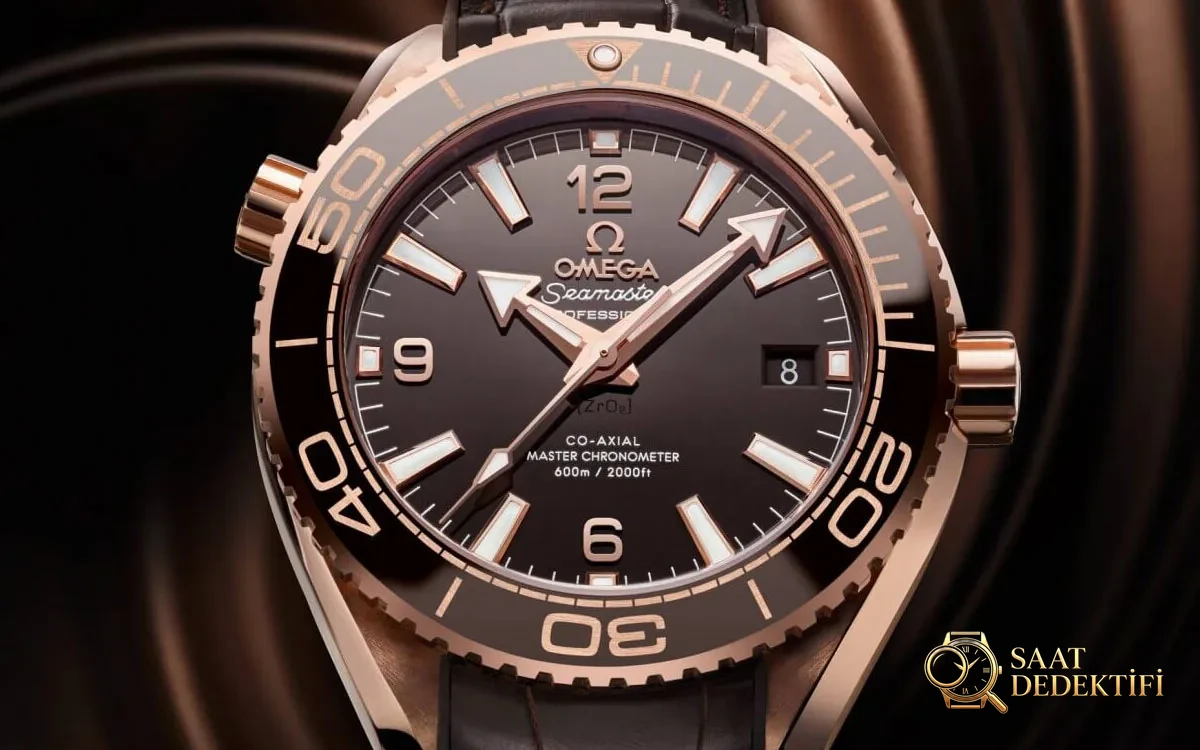
What is Sedna Gold? Omega's distinctive pink gold.
Starting with the Omega Constellation Sedna™ in 2013, this popular Swiss watchmaker has used its patented Sedna™ gold in countless watches using this distinctive alloy. Similar to Rolex's Everose® gold, Sedna™ is an 18-carat gold (meaning a minimum of 75% gold) and combines gold, copper, and a third element that binds and preserves the metal's luster. In Omega's Sedna example, that element is palladium.
Why did Omega name its alloy Sedna? Perhaps not coincidentally, Sedna is not only the name of a reddish planetoid found in the outer regions of our solar system, but also the Inuktitut name for the goddess of the sea and sea creatures in Inuit mythology, also known as "mother of the seas" or "ruler of the seas". This gives them the opportunity to pair the distinctive Sedna alloy not only with the Omega Constellation, the first Sedna watch produced by Omega, which often features an image of a space observatory on the case back, but also with two of their most famous watch collections. These are, of course, the Omega Speedmaster, made famous thanks to the Moonwatch used on many NASA missions, including the first moonwalk in 1969, and the Omega Seamaster, a favorite among professional divers. So the name Sedna was most likely chosen very carefully by their branding department. While Sedna for space is an Omega Speedmaster with Sedna gold; For sea, Sedna would be an Omega Seamaster with Sedna gold.
Omega Watches
Watch Video
Honey Gold
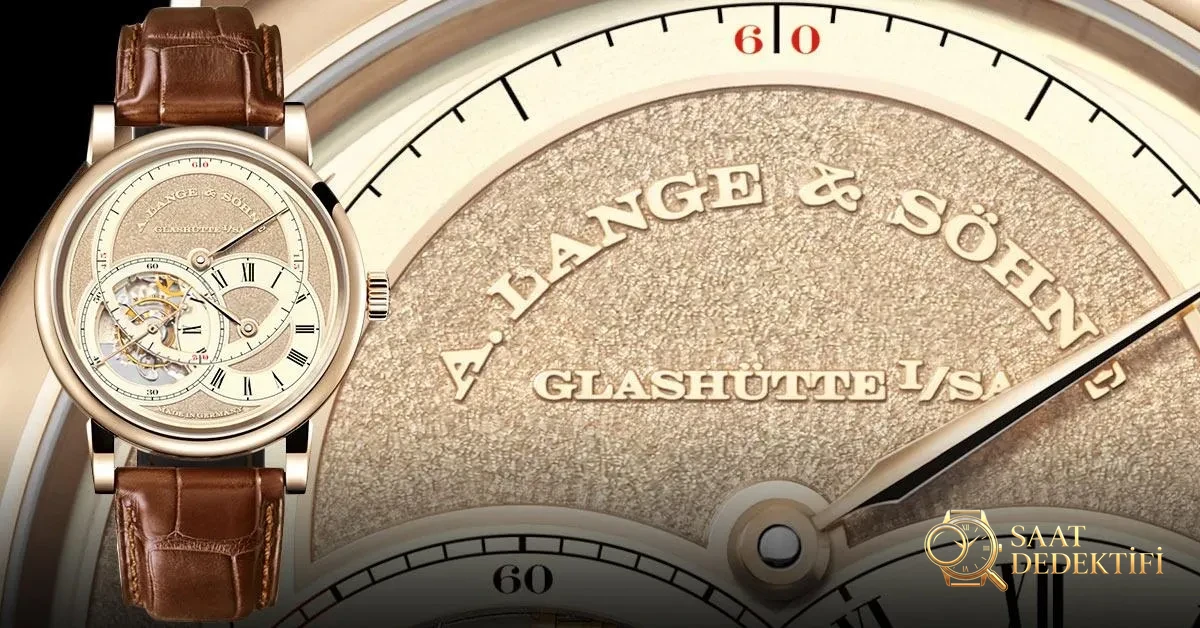
What is Honey Gold? A. Lange & Söhne's distinctive rose gold alloy.
This high-end German watchmaker has a distinctive gold called Honey Gold, which has a unique tone that is only slightly pinkish. Like Rolex, they keep their formula a well-guarded secret; but what we do know about this gold is that it is much harder than platinum and has been around since 2010. Lange claims that the production and processing processes of a watch made with this precious alloy are quite difficult. That's why they use Honey Gold only on their most exclusive models.
According to Wilhelm Schmid, CEO of A. Lange & Söhne, one of the biggest challenges they faced was working with this material. Since it is more difficult to work with than platinum, it is used only in the most special parts. While platinum costs less than gold, the material is eight times harder to work with than gold, thus making it more expensive. How much more so does this apply to Honey Gold, which is even more abrasive on tools and harder to work with than platinum?
Another challenge they had to face after patenting Honey Gold was finding a foundry that could produce this special material. They found two, and one of them was already bankrupt. The remaining foundry imposed a minimum order requirement of 50 kg. Considering that the average watch case weighs only about 80 grams, that's a lot of gold.
Even for a super-high-end manufacturer producing around 5,000 pieces per year, this was a formidable order quantity considering that only a few of the very high-end watches used Honey Gold. The rest of the material just sits there, waiting to be turned into one of the most valuable watches by the only watchmaker in the world that Patek Philippe sees as a direct competitor.
A. Lange & Söhne Watches
Magic Gold
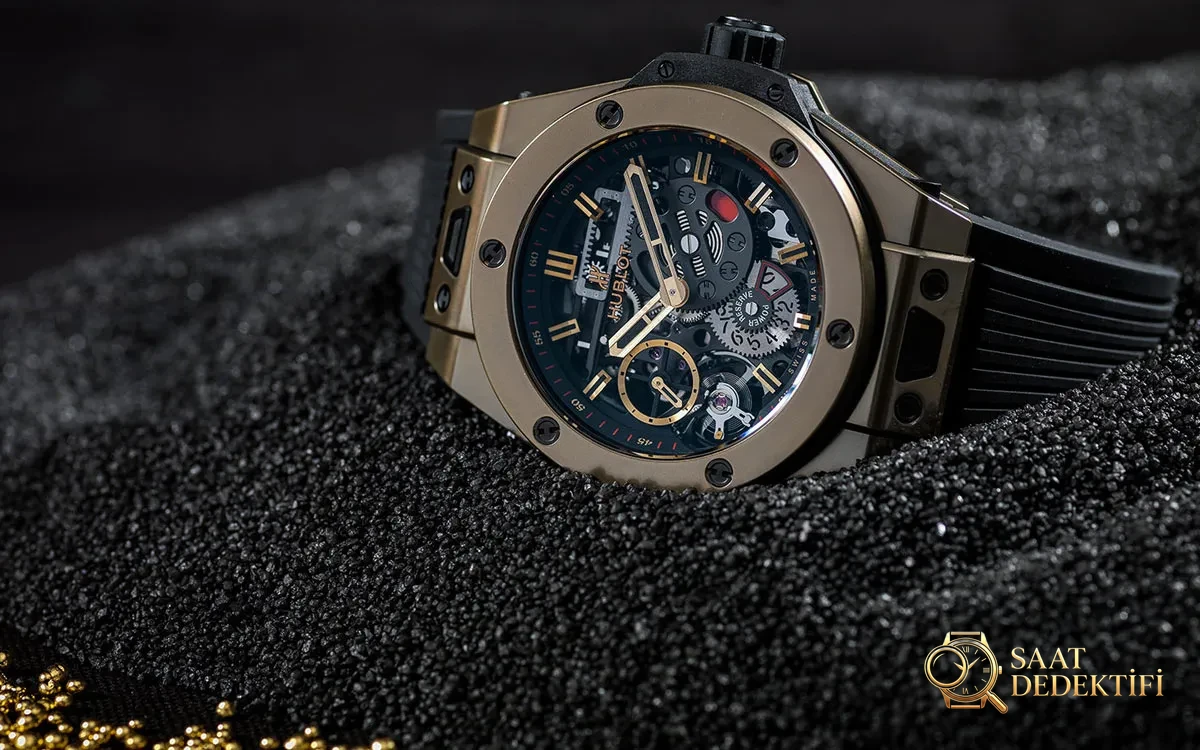
What isMagic Gold? Hublot's secret gold and ceramic fusion alloy.
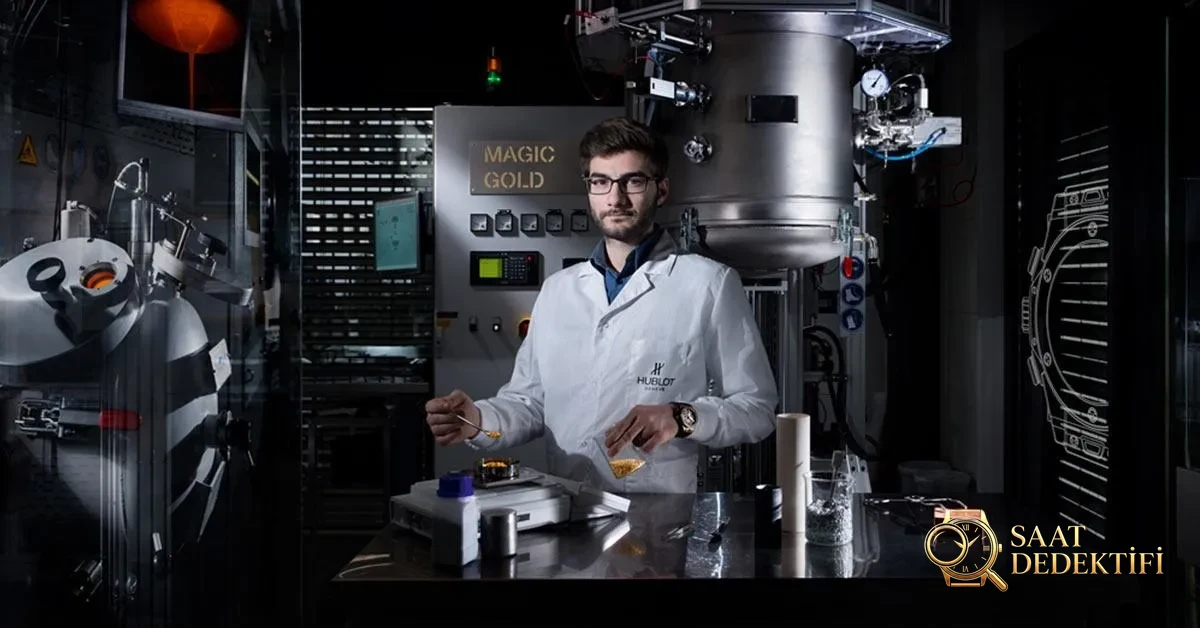
Hublot is all about fusion and creating new materials, so it should come as no surprise that they've developed some pretty high-tech gold. In 2011, after two years of R&D in collaboration with a Swiss research institution and university called EPFL (École Polytechnique Fédérale de Lausanne), the gold alloy produced was so high-tech that they called it Magic Gold. So what makes this gold so magical?
This bronze-coloured gold tone is hailed as the first and only 18-carat gold alloy that is scratch-proof, not scratch-proof; In other words, both the watch material and workmanship are impervious to scratches and impacts, and are practically indestructible.
This was achieved in Hublot's research laboratories by combining gold (Au) with Boron Carbide (B4C). In fact, they are such ahard material that only diamond-tipped tools, wire cutting, or ultrasonic and laser processing can be used to shape them.
Boron Carbide is the third hardest known material in the world, surpassed only by cubic boron nitride and diamond. It is also used in bulletproof vests and tank armor.
As with all 18 carat gold alloys, 75% by weight must be gold. In This specific gold, the remaining 25% is Boron Carbide. This is normally in the form of a ceramic powder that is shaped by heating it until it becomes liquid. However, the temperatures required by B4C are too high for a watch mold, and so another process had to be developed to produce this material for watchmaking.
A cold process is used where B4C powder is compressed in a pressure machine. Thanks to this system, a solid material is obtained from powder; This material is then heated in a sintering furnace to solidify. Once this process is complete, the solid but porous material is put through a second process where it is immersed in 24-carat liquid gold and then formed into solid ceramic tubes through a gas-pressurized process.
These tubes are then sent to a third-party laboratory to confirm that they meet all the requirements for an 18-carat gold alloy. This process is so time-consuming and laborious that only 300-350 watches of Magic Gold can be produced each year.
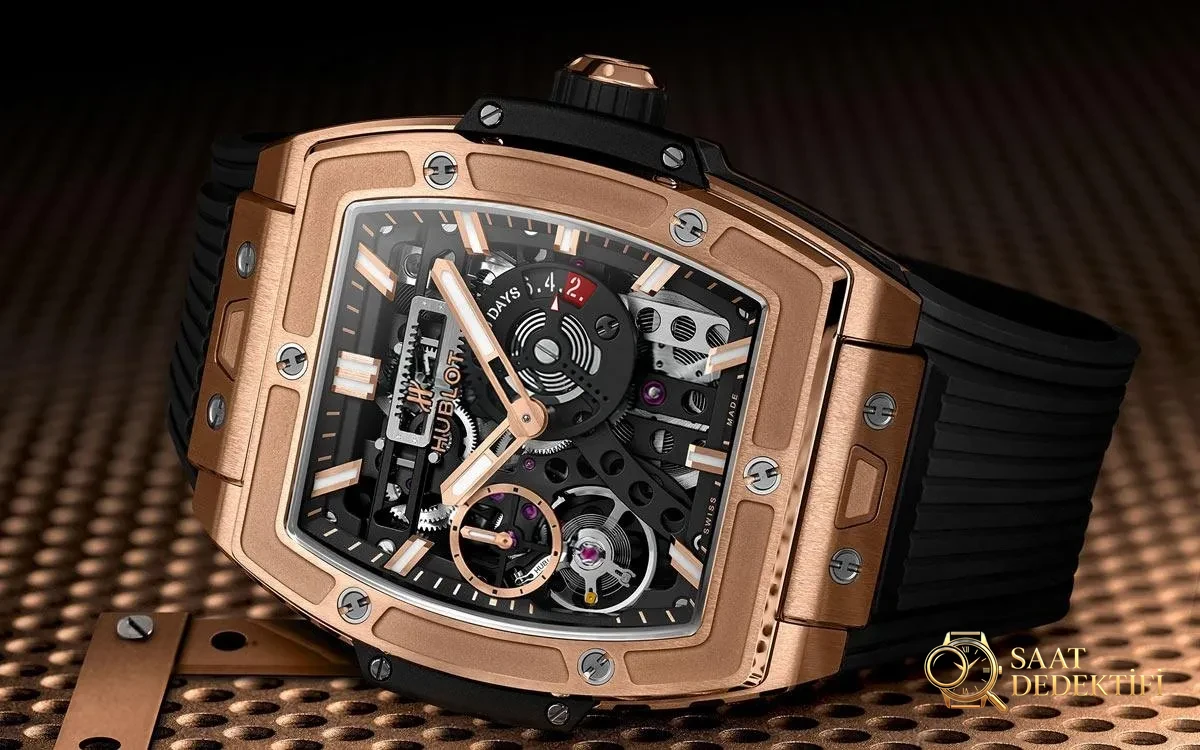
King Gold
What is King Gold? Hublot's special rose gold alloy.
Standard 18 carat pink gold (5N) is obtained by combining gold with 20.5% copper. But you'll need to add a higher percentage of copper to get that fiery rose gold tone, which you'll only find in Hublot's King Gold. Hublot also uses platinum in the mix; This helps maintain the brightness and durability of the color.
Hublot Watches
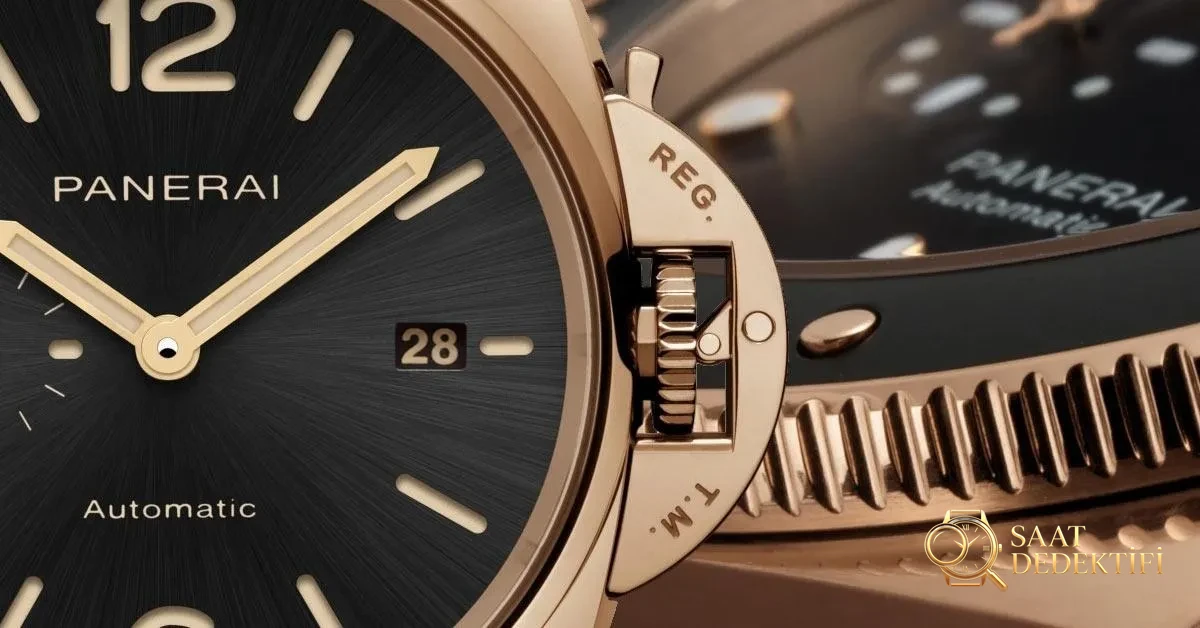
Goldtech
What is Goldtech? Panerai's special rose gold alloy.
Redder than standard 18k rose gold (5N), Panerai's signature rose gold alloy is known as Goldtech. It has a beautiful sunset-like tone, achieved by combining gold with more copper than standard rose gold.
This is more of a specialty metal and is not found in most of their watches; but the models that use it are absolutely breathtaking.
PANERAI WATCHES
Saat Dedektifi Expert Score
Model: Unlu Saat Ureticilerinin · Standart Seri CloneUser Rating
27 people rated · Saat Dedektifi Verified Score
Rate this model:
Conclusion & Detective Verdict
As demonstrated in our technical review of the Unlu Saat Ureticilerinin model; the optical tolerances of the case, dial typography, and stable operating performance of the movement elevate this model to the pinnacle of its category. With its wrist ergonomics, premium material quality, and micron-level finishing precision, it stands as a flawless choice for collectors.
Frequently Asked Questions (FAQ)
Which mechanism is used in the Unlu Clock Manufacturers' model?
In this model, the model's high stability integrated caliber or Swiss-norm Clone movement is used; Deviation tolerance is in the range of 2-5 seconds per day.
What is the case material and stainless steel quality?
Made from solid 904L/316L stainless steel with high corrosion resistance; It exactly reflects the original feeling of weight and texture.
Is there AR coating on the sapphire glass surface?
Yes. There is a colorless double-sided AR coating on the scratch-resistant sapphire crystal glass surface to prevent glare and reflection.
How is the waterproof performance?
With its seal-tested crown system, it is fully resistant to pressure up to 50-100 meters and daily water contact.
Does Saat Dedektifi have expertise assurance?
All technical controls, timegrapher measurements and case tolerances received full marks from Saat Detective expertise standards.